Mould Remediation London for Flats, Landlords and Rental Properties
Mould in a rental property should not be treated as a simple cleaning job if it keeps returning. A quick wipe, repaint or spray may improve the surface for a short time, but it will not solve the issue if moisture is still present.
Professional mould remediation London services should identify the moisture source, treat affected areas properly and reduce the conditions that allow mould to return. This matters in London flats, HMOs, basement properties, converted houses and older rental homes, where ventilation, damp and building structure can all play a role.
At Total Damp Repair, we provide Mould removal London services for landlords, letting agents, property managers, tenants, homeowners and commercial clients across London and Greater London. If you need a mould specialist London, our approach is simple: inspect first, treat properly, then advise on prevention.
Why Mould Is Common in London Flats and Rentals
London rental properties are often more vulnerable to mould because of how many buildings are built, divided and used. Older terraces, converted flats, basement homes and HMOs can have limited ventilation, cold external walls, older plaster, blocked airflow or previous damp issues.
Daily living also adds moisture. Cooking, showering, drying clothes indoors and keeping windows closed during colder months can increase humidity. When warm, moist air meets cold walls or poorly ventilated rooms, mould can develop.
This is why mould treatment should look at the property as a whole. A flat with weak bathroom extraction may need a different solution from a basement property with damp walls or a high-occupancy HMO with condensation issues.
Experienced mould experts London should consider the building, the room use, the airflow and the visible mould before recommending treatment.
Mould Remediation vs Basic Mould Cleaning
Basic mould cleaning removes visible mould from the surface. That may help with a small, isolated patch, especially on non-porous areas such as tiles or glass. But it is rarely enough when mould keeps returning on walls, ceilings, plaster, windows or behind furniture.
Mould remediation London should go further. It should ask why mould is growing, whether the affected surface needs professional treatment and what can be done to reduce the chance of recurrence.
There are different mould treatments, but the right one depends on the cause. If mould is linked to condensation, ventilation must be considered. If it is linked to damp walls, a damp investigation may be needed. If a leak is involved, the leak has to be fixed first.
That is why professional mould removal services London should not rely on surface cleaning alone.
Common Signs a Rental Property Needs Mould Remediation
A rental property may need mould remediation when mould keeps coming back after cleaning or repainting. This is often the first sign that the visible mould is only part of the problem.
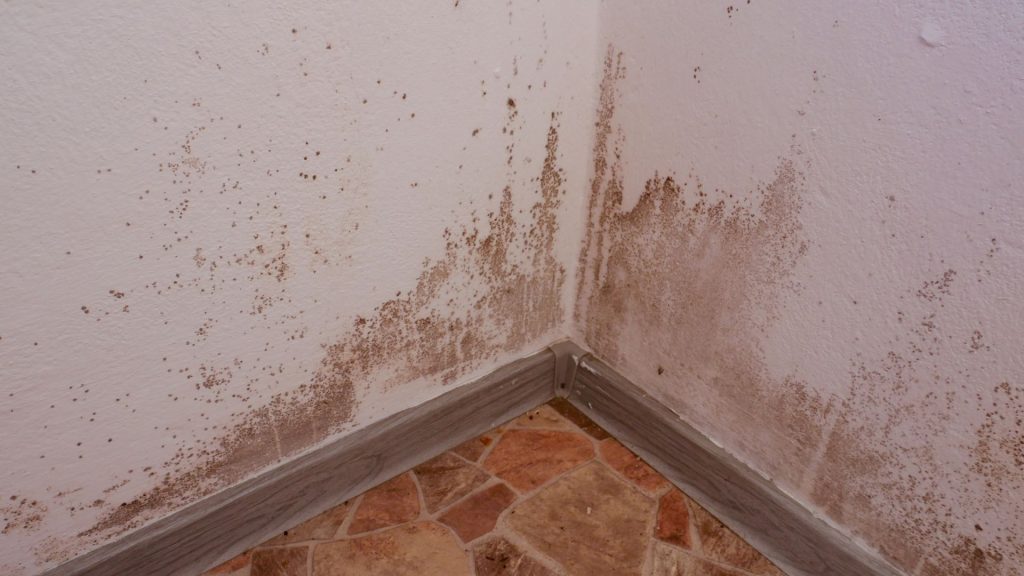
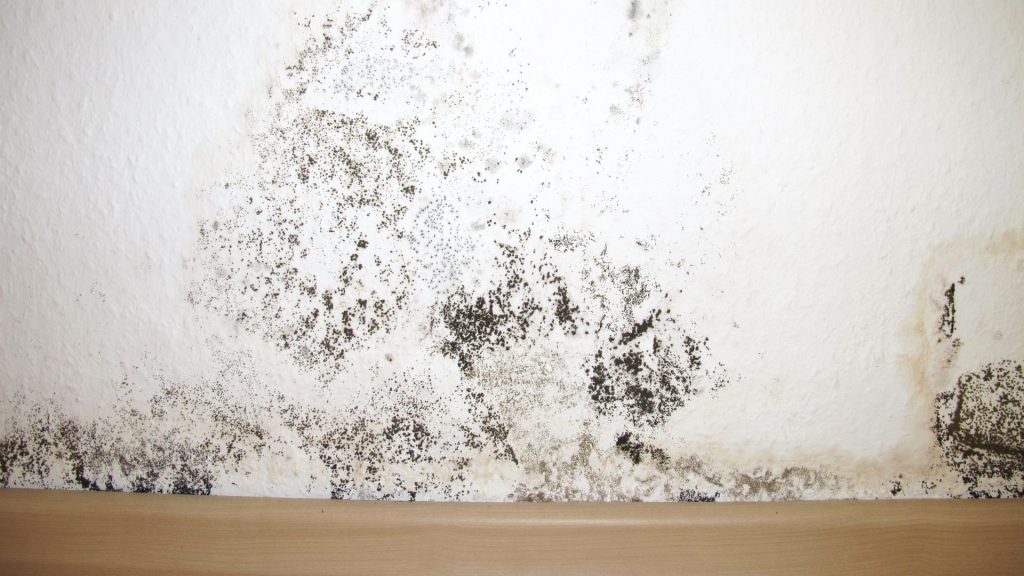
Other warning signs include black mould on walls or ceilings, mould around windows, mould behind furniture, musty smells in bedrooms, damp patches, peeling paint, damaged plaster, wet walls, cold walls or repeated tenant complaints.
Wall mould is especially important because it can be linked to condensation, damp plaster, leaks or poor airflow. In these cases, mould treatment for walls should not only remove the visible growth. It should also consider the condition of the wall.
If the issue is recurring, mould on walls treatment may require inspection, treatment and practical prevention advice. Local mould specialists London can help confirm what is causing the problem before more money is spent on temporary fixes.
Mould Inspection London: Why Diagnosis Matters
Guessing the cause of mould can lead to wasted money. A landlord may repaint a wall. A tenant may clean the surface. A property manager may arrange basic cleaning. But if condensation, damp, leaks or poor ventilation are still present, the mould can return.
A professional mould inspection London service helps identify whether the issue is caused by condensation, damp walls, cold surfaces, leaks, poor airflow or external defects.
A mould survey London may include checking visible mould, wall condition, ventilation, moisture patterns, damp readings, room use, cold surfaces and possible building defects.
This is especially useful where mould and damp appear together. In those cases, proper mould and damp treatment may be needed instead of surface cleaning alone.
Mould Remediation for Landlords, Letting Agents and Property Managers
For landlords, letting agents and property managers, mould problems need a clear and practical response. Repeated cleaning can become frustrating for everyone involved, especially when the same patch returns after a few weeks.
Professional mould remediation London can help by identifying the likely cause, treating affected surfaces and advising on ways to reduce recurrence. This may include improving ventilation, checking for damp, reviewing bathroom or kitchen extraction, looking at cold external walls, assessing basement moisture or recommending further repairs where needed.
A good mould specialist London should not blame the occupant or the building without evidence. In many London rentals, mould is caused by a mix of factors: ventilation, heating, wall temperature, occupancy, leaks or historic damp.
Total Damp Repair provides mould removal services London for rental homes, flats, HMOs and commercial premises, with advice based on the property’s condition.
Mould Remediation in HMOs, Basement Flats and Converted Properties
HMOs, basement flats and converted properties often need extra care because moisture issues can be more complex.
In HMOs, higher occupancy usually means more cooking, showering, washing and indoor humidity. In basement flats, airflow may be limited and walls may be more exposed to moisture. In converted houses, layouts may have changed over time, sometimes reducing natural airflow or creating cold, poorly ventilated rooms.
These problems are common across London. North London has many converted houses and older terraces. West London has lower-ground flats and period properties. South London has converted flats, extensions and rental homes. East London includes older flats, new-build apartments and mixed-use properties where ventilation can vary.
Areas such as Camden, Islington, Barnet, Hampstead, Kensington, Fulham, Ealing, Clapham, Croydon, Richmond, Enfield and Haringey all include property types where mould can become a recurring issue.
If you are searching for Mould removal London, choose a company that understands London building types. Good mould experts London should treat the mould and consider why the property is supporting mould growth.
What Professional Mould Remediation Usually Involves
Professional mould remediation should start with inspection, not assumptions.
At Total Damp Repair, the process usually involves checking the mould and surrounding areas, looking for moisture patterns, reviewing ventilation, checking whether walls are damp or cold, and identifying whether condensation, damp, leaks or building defects may be involved.
After this, the affected areas can be treated professionally. Depending on the property, mould treatment may involve cleaning and treating affected surfaces, giving ventilation advice, recommending damp repair or suggesting further investigation where structural moisture may be present.
Not all mould treatments are the same. A bathroom ceiling, bedroom wall, basement flat and commercial storage room may each need a different approach.
The goal is not only to remove visible mould. It is to reduce the reason it appeared.
How to Reduce Mould Recurrence in Rental Properties
Reducing mould recurrence usually means controlling moisture and improving airflow. This may involve using extractor fans correctly, keeping furniture slightly away from external walls, repairing leaks quickly and avoiding repeated repainting without diagnosis.
External defects should also be checked where damp is suspected. Damaged pointing, leaking gutters, cracked render or high external ground levels can all contribute to damp walls.
For some properties, simple ventilation changes may help. For others, professional mould and damp treatment may be needed if mould is linked to damp plaster, penetrating damp, rising damp or basement moisture.
If the cause is unclear, a mould inspection London service can help avoid repeated cleaning and wasted money. Experienced mould experts London should explain what is likely causing the issue and what to do next.
Mould Remediation Services Across London
Total Damp Repair provides mould remediation London services across London and Greater London, including North London, West London, South London, East London and surrounding areas.
We help landlords, letting agents, property managers, homeowners, tenants and commercial clients with mould inspections, mould treatment, damp-related mould, recurring wall mould, condensation mould and prevention advice.
Our team works across areas including Camden, Islington, Barnet, Hampstead, Finchley, Kensington, Chelsea, Fulham, Ealing, Hammersmith, Clapham, Wimbledon, Croydon, Richmond, Enfield and Haringey.
Whether the issue is in a rental flat, HMO, basement property, commercial unit or older family home, our mould specialists London can inspect the problem and recommend the right next step.
Final Thoughts: Treat Mould Properly Before It Returns
Mould in rental properties should not be handled only with repeated cleaning, repainting or temporary sprays. If mould keeps returning, the moisture source needs to be identified.
The right mould remediation London service should inspect the cause, treat affected areas and advise on how to reduce recurrence. This is especially important in London flats, HMOs, converted properties, basement homes and commercial premises.
Total Damp Repair provides professional mould treatment and local mould specialist London support across London and Greater London.
Contact Total Damp Repair today to book an inspection and get clear advice from local mould and damp specialists.
Frequently Asked Questions
What is mould remediation?
Mould remediation means treating mould while also considering the moisture source. It is more than basic cleaning because it aims to reduce the conditions that allow mould to return.
Do landlords need professional mould treatment?
Professional mould treatment may be needed when mould is recurring, spreading, affecting walls or linked to damp, leaks or ventilation problems.
What causes mould in London rental properties?
Common causes include condensation, poor ventilation, damp walls, leaks, cold surfaces, high indoor humidity and limited airflow.
Is a mould inspection needed before treatment?
A mould inspection London service can help identify whether mould is caused by condensation, damp, leaks, cold walls or poor ventilation.
Do you provide mould remediation across London?
Yes. Total Damp Repair provides mould remediation London and mould removal services London across London and Greater London.