Mould Treatment in London Flats: Bathrooms, Bedrooms and Cold Walls
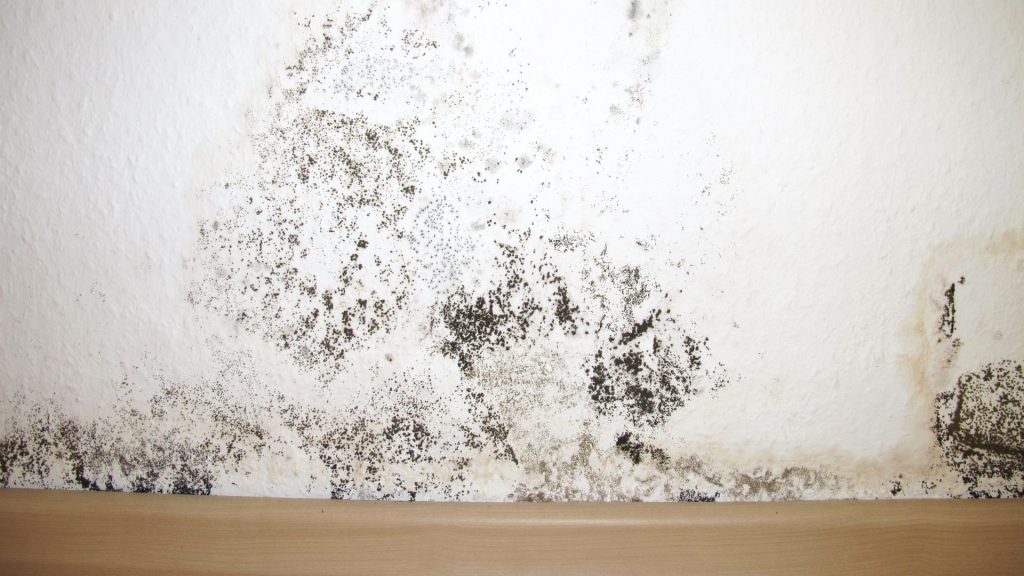
Mould is one of the most common problems found in London flats. It often appears in bathrooms, bedrooms, around windows, behind furniture, on cold external walls, or in basement rooms where airflow is limited.
The direct answer is this: mould in London flats usually develops when moisture from daily living meets cold surfaces or poor ventilation. If the cause is not treated, the mould can return even after cleaning.
At Total Damp Repair, we provide professional mould treatment for flats, landlords, tenants, letting agents and property managers across London and Greater London. Our team does not only treat the visible mould. We look at why it appeared, whether condensation or damp is involved, and what can be done to reduce the risk of it coming back.
If you are searching for Mould removal London or need a trusted mould specialist London, this guide explains why bathrooms, bedrooms and cold walls are often the highest-risk areas in London flats.
Why Bathrooms in London Flats Develop Mould
Bathrooms are one of the most common places for mould in London flats. Steam from showers and baths quickly increases moisture levels, especially when extraction is weak, windows are small, or there is no natural ventilation.
Mould often appears in bathroom ceiling corners, tile grout, silicone sealant, window frames, behind cabinets and around extractor fans. In some flats, it may start as small dark spots and then spread across the ceiling or upper walls.
Basic cleaning may remove surface mould for a short time, but if steam is not extracted properly, the mould usually returns. This is where professional mould treatments can help, particularly when the mould is recurring or spreading.
If black mould is present around the ceiling, walls or sealant, proper black mould treatment may be needed. For flats with poor extraction, professional mould removal services London should also consider ventilation, airflow and room use, not only cleaning.
Why Bedrooms Get Mould Behind Furniture and Around Windows
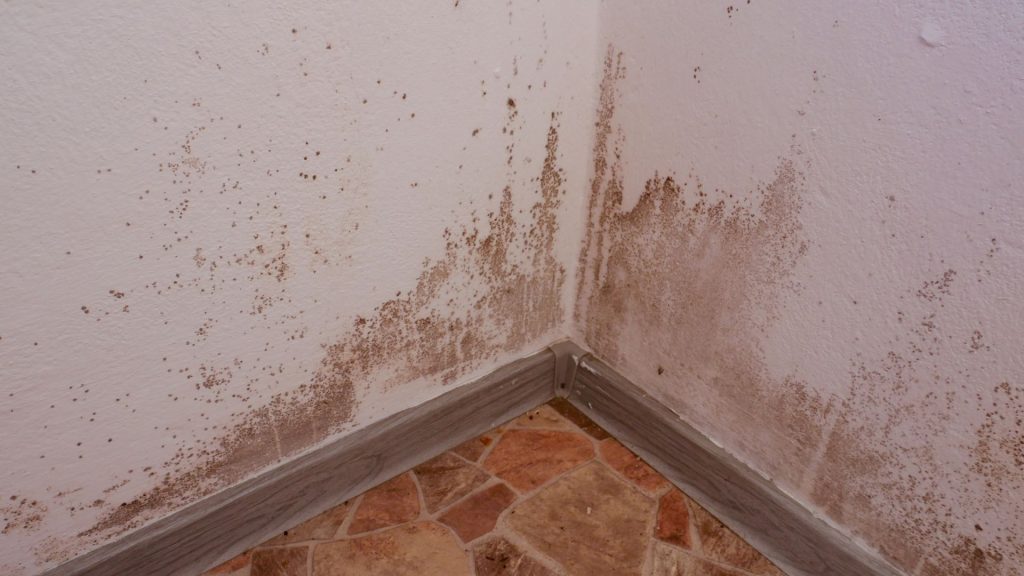
Bedroom mould is often linked to condensation and poor airflow. During the night, moisture builds up from breathing, closed windows, heating patterns and cold external walls. When furniture is placed directly against a cold wall, air cannot circulate properly, and mould can grow behind wardrobes, beds or drawers.
In London flats, this is especially common in smaller bedrooms, converted flats, older buildings and rooms with external-facing walls. Mould may also appear around window frames, window reveals, curtains, corners and skirting boards.
This type of problem needs more than surface cleaning if it keeps returning. Proper mould treatment for walls should check whether the wall is cold, damp or affected by poor airflow. If the problem is on bedroom walls, professional mould on walls treatment can help identify whether condensation, damp or another moisture source is involved.
If you have recurring bedroom mould, local mould specialists London can inspect the area and recommend the right next step.
Cold External Walls and Condensation Mould
Cold external walls are a major reason mould develops in London flats. When warm indoor air touches a cold wall, condensation can form. Over time, that moisture can support mould growth, especially in corners, around windows, behind furniture and on poorly heated walls.
This is common in older properties, converted buildings, basement flats and homes with limited insulation or poor ventilation. The mould may look like a cleaning problem, but the real issue is often moisture settling repeatedly on the same cold surface.
Professional mould treatment should consider the wall condition, airflow and whether condensation is part of the problem. In some cases, the property may need ventilation improvements. In others, there may also be damp affecting the wall.
Experienced mould experts London should be able to assess whether the mould is mainly condensation-related or whether mould and damp treatment may be required.
Basement Flats and Lower-Ground Mould Problems
Basement and lower-ground flats are common across London, especially in areas with older housing stock. These properties can be more vulnerable to mould because they often have cooler walls, less sunlight, limited natural ventilation and increased moisture pressure around external walls.
Mould in basement flats may appear on lower walls, corners, behind furniture, around windows, in cupboards or near areas with poor airflow. Sometimes there is also a musty smell, damp plaster or staining.
This is where mould remediation London may be needed, especially if the mould is recurring or linked to damp conditions. A professional mould inspection London service can help identify whether the issue is caused by condensation, damp walls, leaks, poor ventilation or moisture movement through the structure.
For lower-ground properties, mould removal services London should be inspection-led, because cleaning alone may not solve the underlying problem.
Is It Mould, Damp or Poor Ventilation?
Mould in flats is often caused by condensation, but damp and poor ventilation can also play a role. This is why diagnosis matters.
Condensation mould usually appears around windows, corners, ceilings, external walls and behind furniture. It is often worse in winter, when walls are colder and windows are kept closed.
Damp-related mould may appear with wet plaster, peeling paint, staining, musty smells or damaged walls. It may be linked to leaks, penetrating damp, rising damp or basement moisture.
Poor ventilation can make both problems worse. If moisture cannot escape, mould can return even after repeated cleaning.
A mould survey London can help identify whether the issue is caused by condensation, damp, leaks or airflow problems. A professional mould inspection London service may check moisture patterns, ventilation, room use, cold surfaces, external defects and wall condition before treatment is recommended.
Damp and mould can affect indoor comfort and may be more problematic for people with asthma, allergies or respiratory sensitivity, so it is worth reading the NHS Inform guidance on damp and mould indoors if mould is recurring in living spaces.
When Do London Flats Need Professional Mould Treatment?
Professional help is recommended when mould keeps returning, spreads across walls or ceilings, appears in bedrooms or bathrooms, or comes with damp smells, damaged plaster or wet walls.
You should also consider professional mould treatment if DIY sprays have failed, if black mould is visible, if mould is affecting a rental flat, or if the cause is unclear.
For landlords and property managers, repeated mould complaints should not be handled only with cleaning or repainting. If the moisture source remains, the problem can return and become more difficult to manage.
A local mould specialist London can inspect the flat, identify likely causes and recommend suitable treatment. Professional mould removal services London should aim to treat the visible mould while reducing the risk of recurrence.
Mould Treatment for Landlords, Tenants and Property Managers
Mould in London flats can be stressful for both occupants and property owners. Tenants want the issue resolved. Landlords and property managers need practical answers. The most useful approach is to inspect, identify the likely cause, treat the affected area and advise on prevention.
Recurring mould should not be dismissed as a simple lifestyle issue without proper checks. In many London flats, mould is caused by a combination of ventilation, room use, cold walls, damp, heating patterns and building structure.
Professional mould remediation London can help landlords, tenants and letting agents understand what is happening before more money is spent on temporary fixes.
At Total Damp Repair, our mould experts London and mould specialists London support flats, rental homes, HMOs and managed properties across London.
How Total Damp Repair Treats Mould in London Flats
At Total Damp Repair, we start by inspecting the affected rooms and surrounding areas. We look at where mould is growing, how far it has spread, whether the wall is damp or cold, and whether condensation, poor ventilation, leaks or damp may be involved.
Depending on the issue, mould treatment may include professional treatment of affected surfaces, moisture source checks, ventilation advice, damp investigation or recommendations for further repair.
Different flats need different mould treatments. Bathroom ceiling mould, bedroom wall mould, basement mould and mould behind furniture are not always caused by the same issue.
Our Mould removal London service is designed to treat visible mould while helping you understand why it developed and what may reduce the chance of it returning.
Mould Treatment Services Across London Flats
Total Damp Repair provides mould treatment for flats across London and Greater London, including purpose-built flats, converted flats, basement flats, HMOs, rental flats, mansion blocks and new-build flats with ventilation issues.
We provide Mould removal London and mould removal services London across North London, West London, South London, East London and surrounding areas.
Our team works across Camden, Islington, Barnet, Hampstead, Finchley, Kensington, Chelsea, Fulham, Ealing, Hammersmith, Clapham, Wimbledon, Croydon, Richmond, Enfield and Haringey.
If you are searching for mould removal London UK, Total Damp Repair can inspect the problem and recommend the right treatment for your flat. Our mould specialists London understand the common moisture issues found in London flats and rental properties.
Final Thoughts: Treat the Room and the Cause
Mould in London flats is usually linked to moisture, ventilation, cold walls, damp or a combination of these factors. Bathrooms, bedrooms, basement rooms and external walls are often the highest-risk areas.
Cleaning may help temporarily, but recurring mould needs the cause checked. The right mould treatment should treat the visible mould and reduce the conditions that allowed it to grow.
Total Damp Repair provides professional mould specialist London support and mould removal services London across London and Greater London.
Contact Total Damp Repair today to book an inspection and get clear advice from local mould and damp specialists.
Frequently Asked Questions
Why do London flats get mould?
London flats often get mould because of poor ventilation, condensation, cold walls, daily moisture, basement layouts, older property types or converted building structures.
Why is there mould in my bedroom?
Bedroom mould often develops because of condensation, poor airflow, cold external walls and furniture placed too close to walls.
Why does bathroom mould keep coming back?
Bathroom mould usually returns when steam, poor extraction and poor ventilation are not resolved.
Do I need professional mould treatment in my flat?
Professional mould treatment may be needed if mould keeps returning, spreads, affects plaster or appears with damp smells.
Do you provide mould treatment for flats across London?
Yes. Total Damp Repair provides Mould removal London and mould removal services London for flats across London and Greater London.