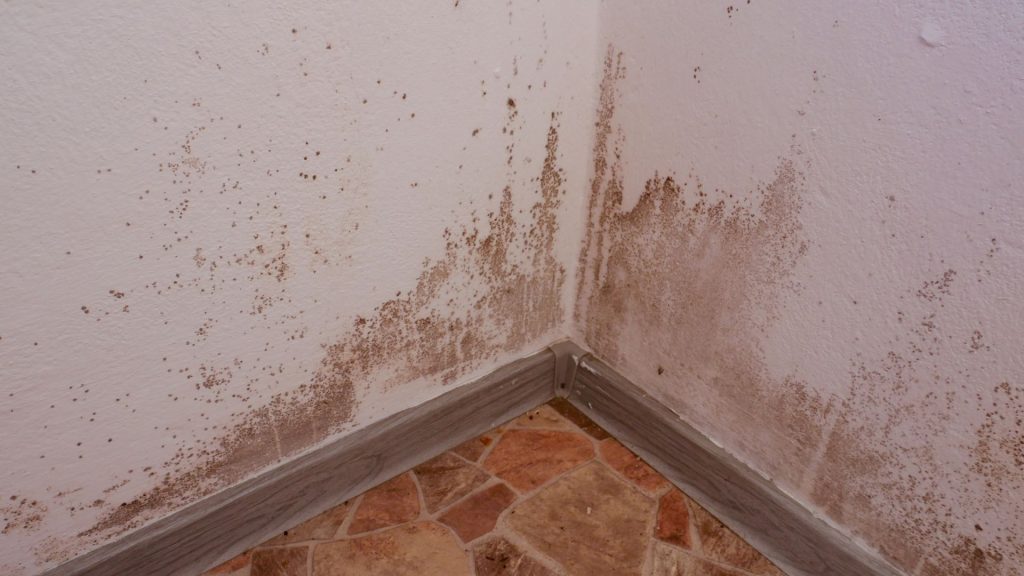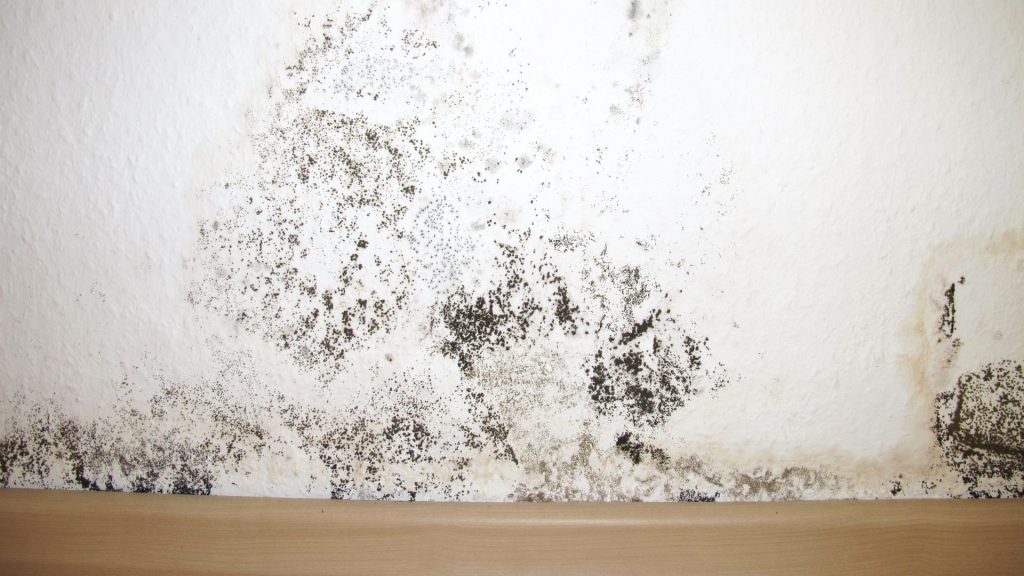

Does bleach kill mould? Bleach-based products can reduce or remove visible mould staining on certain non-porous surfaces, but that does not prove that the underlying mould and moisture problem has been resolved.
That distinction matters.
Mould does not develop simply because a wall has not been cleaned. It grows where moisture, temperature and surface conditions allow it to persist. If the wall remains damp because of condensation, a plumbing leak, penetrating rainwater or another moisture source, mould can return after cleaning.
For London homeowners, landlords and property managers dealing with recurring mould, the more useful question is not just what product to apply.
It is: why is this particular surface repeatedly becoming mouldy?
If the cause is unclear, a professional damp and mould survey in London can help identify the moisture conditions behind the problem before further treatment is carried out.
Quick Answer: Does Bleach Kill Mould?
The answer to does bleach kill mould depends on what you mean by “kill” and what type of surface is affected.
Bleach-based cleaners may reduce visible mould on hard, non-porous surfaces. On porous building materials such as plasterboard, timber, wallpaper or some plastered walls, the visible growth may not represent the whole problem.
The key distinction is:
Cleaning may improve the appearance of the surface.
Moisture control addresses the conditions that allow mould to return.
If the surface remains damp, repeated cleaning is unlikely to provide a durable solution.
Will Bleach Kill Mould Permanently?
People often search will bleach kill mould because the initial result can look convincing.
Black staining may fade quickly after treatment, making the wall appear substantially cleaner.
But permanent control depends on whether the moisture source has been corrected.
If condensation continues forming every night, if a gutter is saturating the external wall, or if pipework is leaking behind the finish, cleaning cannot remove those conditions.
This is why a visually clean wall is not necessarily the same as a resolved mould problem.
Surface Type Matters
The type of material affected makes a substantial difference.
|
Surface |
What to consider |
|
Tile or glass |
Surface contamination is usually easier to clean because the material is non-porous |
|
Painted plaster |
Moisture may affect the substrate beneath the decorative finish |
|
Plasterboard |
Porous material may need closer assessment if contamination is persistent |
|
Timber |
Moisture can penetrate below the visible surface |
|
Wallpaper |
Damp and mould may affect both the covering and the wall behind it |
|
Sealant |
Visible staining can recur if surrounding moisture remains high |
This is one reason bleach for mould removal should not be treated as the same intervention on every material.
Does Bleach Remove Mould or Just the Staining?
The question does bleach remove mould is different from asking whether the surface looks cleaner afterwards.
On suitable hard surfaces, visible contamination can often be physically cleaned away.
On more absorbent materials, the condition may extend below the exposed face, particularly if the wall or material has been damp for a prolonged period.
Further investigation is sensible where:
- mould repeatedly returns;
- the wall remains damp;
- the material has softened or deteriorated;
- staining spreads beyond the original area;
- a persistent musty smell remains;
- there is evidence of a leak or penetrating moisture.
The condition of the material matters as much as the colour of the mould.
Why Does Mould Keep Returning After Cleaning?
Recurring mould usually means one or more favourable conditions are still present.
High Indoor Humidity
Everyday activities such as showering, cooking, drying clothes and even normal occupancy add moisture to indoor air.
If that moisture is not removed effectively, humidity can remain elevated.
Poor Ventilation
Bathrooms, kitchens and bedrooms can accumulate moisture where extraction or airflow is inadequate.
Where condensation is the principal cause, condensation control in London may be more important than repeatedly changing cleaning products.
Cold External Surfaces
Corners, external walls and areas behind wardrobes can be colder than the rest of a room.
Warm, moisture-containing air reaching those surfaces can create condensation and repeated mould growth.
Penetrating Rainwater
Damaged pointing, cracked render, leaking gutters and roof defects can keep walls damp.
In these cases, mould is the visible consequence of a building defect.
Plumbing Leaks
Pipework hidden behind a wall or beneath a floor can keep surrounding materials persistently damp.
Cleaning the visible mould will not correct the leak.
What We Commonly See in London Properties
London’s housing stock creates several recurring moisture patterns.
Victorian and Edwardian homes often have solid external walls that can become cold internally during winter. Converted flats may contain bathrooms or kitchens in spaces that were not originally designed for high moisture production. Lower-ground and basement properties can also be affected by moisture from surrounding ground.
With over 10 years of hands-on experience investigating damp and mould problems, Total Damp Repair regularly assesses the relationship between visible growth and the wider property.
In practice, recurring mould may involve a combination of cold surfaces, restricted airflow, inadequate extraction, older masonry or an external moisture defect rather than one isolated cause.
That is why a bedroom corner, bathroom ceiling and rain-exposed external wall should not automatically receive the same treatment.
Can Bleach Kill Mould on Walls?
Can bleach kill mould on a wall?
The answer depends on the wall construction and the source of moisture.
A sealed bathroom tile is fundamentally different from damp plaster.
If a plastered wall remains cold and repeatedly attracts condensation, cleaning does not change the temperature or humidity conditions.
Likewise, if rainwater is penetrating the wall externally, surface cleaning does not repair the external defect.
Where growth is persistent or widespread, professional mould treatment in London may be more appropriate than repeatedly treating the same surface without investigating why it remains damp.
Does Bleach Get Rid of Mould?
When people ask does bleach get rid of mould, the useful answer is that visible cleaning and long-term remediation are not the same thing.
A proper assessment should consider:
- how much mould is present;
- which material is affected;
- whether the surface remains damp;
- why moisture is present;
- whether the material has deteriorated;
- whether mould is recurring after previous cleaning.
If only the visible marks are addressed, the environmental cause may remain unchanged.
Does Bleach Kill Black Mould?
The colour of mould does not tell you enough to choose a remediation method.
Different moulds can appear black, dark green, brown or grey. Visual colour alone is not a reliable way to identify the species or determine the cause.
The more important questions are:
How extensive is the growth?
What material is affected?
Is the surface still damp?
Why is moisture present?
A dark patch on a bathroom ceiling may be associated with condensation, while an apparently similar patch on a rain-exposed wall could be linked to penetrating moisture.
The treatment should follow the cause, not the colour.
Which Damp Problems Can Cause Recurring Mould?
Mould can develop alongside several different moisture problems.
Condensation
This is one of the most common causes of repeated surface mould in occupied rooms.
Typical locations include cold corners, windows, bathrooms and areas behind furniture.
Penetrating Damp
Rainwater entering through external defects can keep walls wet enough to support repeated growth.
Plumbing Leaks
A hidden leak can maintain persistent moisture even when the room itself appears well ventilated.
Ground or Below-Ground Moisture
Basement and lower-ground walls may experience moisture from surrounding soil.
Where structural damp is suspected, damp proofing services in London or structural waterproofing in London may need to be considered after the moisture source has been properly assessed.
Mould Cleaning vs Mould Remediation
There is an important difference between cleaning mould and remediating a recurring mould problem.
Cleaning focuses on visible contamination.
Remediation considers the affected material, the extent of growth and the environmental conditions that allowed it to develop.
For a small isolated area caused by a one-off moisture event, the situation may be straightforward.
Repeated mould across walls, ceilings or multiple rooms deserves more investigation.
The aim should not simply be to make the surface look clean today.
It should be to reduce the likelihood of the same conditions creating mould again.
What If Mould Is in a Basement?
Basements need a different level of assessment because walls can sit directly against moisture-bearing ground.
If a basement remains persistently wet, surface cleaning is unlikely to solve the underlying problem.
Depending on the building and the route of moisture entry, basement tanking in London or another specialist waterproofing system may be appropriate.
The mould and the water source should be considered together.
What We Check When Mould Keeps Returning
Where mould repeatedly develops in the same location, useful questions include:
- Does it appear mainly during winter?
- Is the wall noticeably cold?
- Is there effective mechanical extraction?
- Is furniture blocking airflow?
- Does the patch become wetter after rainfall?
- Is pipework nearby?
- Is the affected room below ground?
- Does the property regularly have condensation on windows?
- Has previous damp-proofing or waterproofing work been carried out?
These clues help distinguish between a surface-cleaning issue and a persistent moisture problem.
Should You Paint Over Mould?
Painting over visible mould without first addressing the surface condition and moisture source is unlikely to provide a lasting result.
If the substrate remains damp, staining or growth may return through the new finish.
Where plaster or other materials have deteriorated, they may also require repair before decoration.
Paint should be the final stage, not the mould treatment.
When Should Professional Mould Treatment Be Considered?
Professional assessment can be useful where:
- mould covers a substantial area;
- growth repeatedly returns;
- several rooms are affected;
- walls remain visibly damp;
- there is persistent staining or a musty smell;
- mould follows a leak or water-ingress problem;
- affected materials have deteriorated;
- the moisture source is unclear.
Not every small mould spot requires major remedial work.
But repeated cleaning of the same area is a sign that the underlying conditions deserve closer attention.
How Total Damp Repair Approaches Recurring Mould
Our approach begins with the moisture source.
Where appropriate, the investigation may consider:
- indoor humidity;
- ventilation;
- condensation;
- cold surfaces;
- external building defects;
- leaks;
- below-ground moisture;
- previous treatment;
- the condition of affected materials.
Once the likely cause is understood, the appropriate remediation can be recommended.
That may involve professional mould treatment, ventilation improvements, damp proofing, external repairs or structural waterproofing.
In some properties, more than one measure is required.
Frequently Asked Questions
Does bleach kill mould?
Does bleach kill mould? Bleach-based products can reduce visible mould on certain suitable surfaces, but this does not demonstrate that the moisture conditions causing the growth have been resolved.
Will bleach kill mould permanently?
Will bleach kill mould permanently? Not if the affected surface continues to experience the moisture conditions that supported the mould.
Does bleach remove mould?
Does bleach remove mould? It may help remove visible contamination from suitable hard surfaces, while porous materials may require closer assessment.
Does bleach kill black mould?
Does bleach kill black mould? The colour alone does not determine the correct treatment. The material, extent of contamination and moisture source are more important.
Why does mould return after cleaning?
Recurring mould usually indicates that humidity, condensation, a leak, penetrating moisture or another source of damp remains.
Is mould always caused by condensation?
No. Condensation is common, but penetrating damp, plumbing leaks and below-ground moisture can also contribute to mould growth.
Should I keep cleaning mould if it returns?
Repeated cleaning may improve appearance temporarily, but recurring mould suggests the underlying moisture conditions should be investigated.
When should I get a damp and mould survey?
A survey can be useful when mould repeatedly returns, visible damp is present, several areas are affected or the moisture source is unclear.
Professional Mould Treatment and Damp Investigation in London
The most useful question is not simply does bleach kill mould.
It is why mould developed in that particular location and whether the conditions supporting it are still present.
Total Damp Repair provides damp investigation, condensation control, mould treatment, damp proofing and waterproofing services across London.
If mould keeps returning after cleaning, the next step should be understanding the moisture source rather than repeatedly treating the visible surface.
Book a damp and mould survey in London if you need help identifying why mould is recurring and what type of treatment may be appropriate.