Black Mould Treatment London: Signs, Causes and Safe Removal
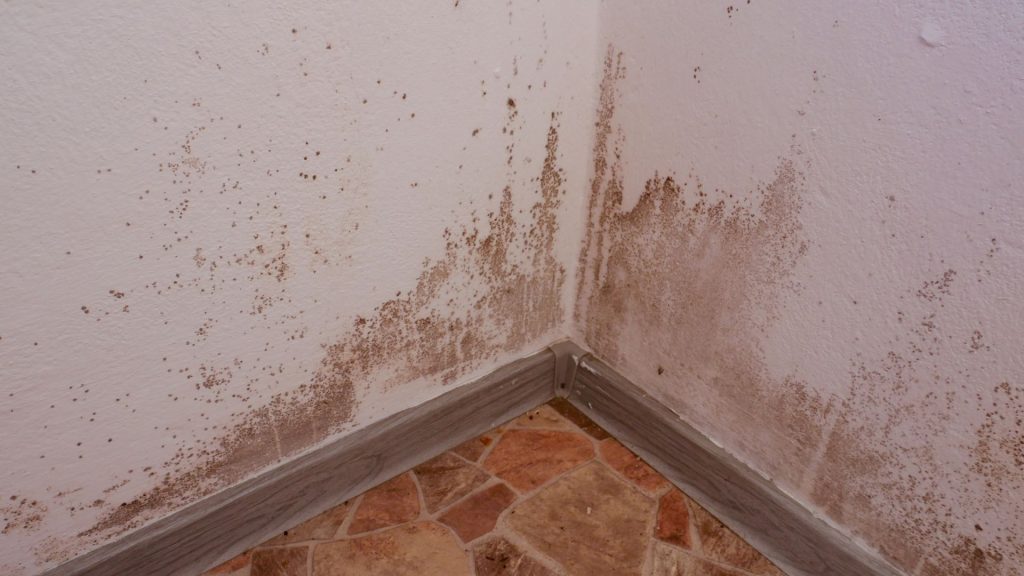
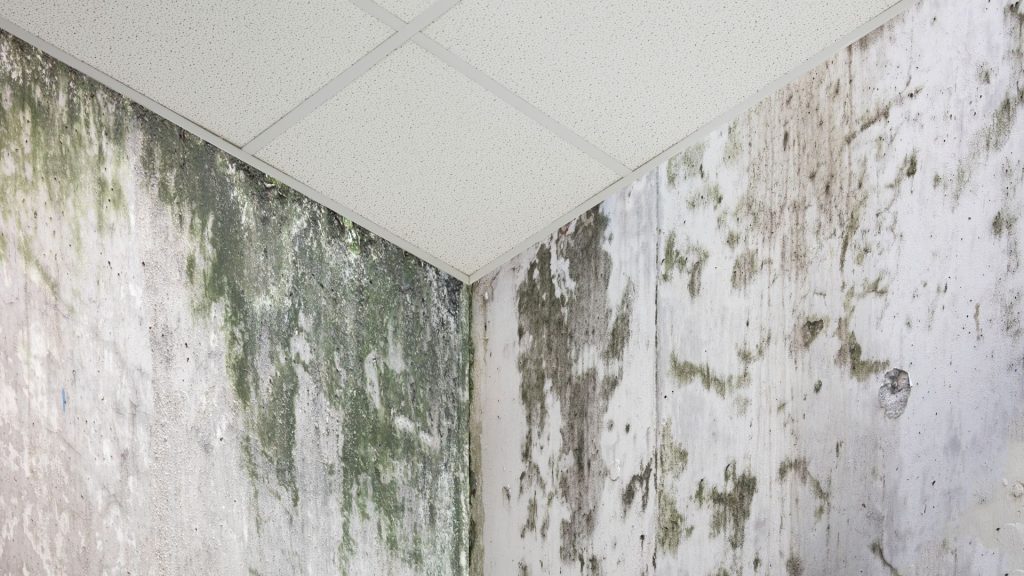
Black mould can appear quickly inside London homes, especially around windows, bathroom ceilings, bedroom corners, cold walls and areas hidden behind furniture. At first, it may look like a few dark spots. Then it spreads. Sometimes it returns even after cleaning, repainting or using mould sprays.
If you are looking for black mould treatment, the key point is simple: mould grows where moisture remains. Cleaning the visible mould may improve the surface for a short time, but if condensation, damp, leaks or poor ventilation are still present, the mould can come back.
At Total Damp Repair, we provide Mould removal London services for homeowners, landlords, tenants, letting agents, property managers and commercial clients across London and Greater London. We do not only look at the visible mould. We look at why it appeared.
If you need a mould specialist London, this guide explains the common signs, causes, treatment options and when professional help may be needed.
What Is Black Mould and Why Does It Appear?
Black mould is a dark mould growth that can appear on walls, ceilings, sealant, plaster, window frames and other indoor surfaces. It usually develops where moisture sits for long periods.
In London properties, this is common because many homes have older walls, sealed windows, limited ventilation, basement rooms, converted layouts or cold external surfaces. Everyday activities such as showering, cooking and drying clothes indoors can also increase moisture levels.
Professional mould treatment may be needed when mould keeps returning, spreads across a larger area, affects plaster, appears with damp smells, or grows in rooms used daily.
Common causes include condensation, poor ventilation, leaks, penetrating damp, damp plaster, basement moisture and high indoor humidity. Experienced mould experts London should look beyond the surface and identify what is allowing the mould to grow.
Common Places Black Mould Appears in London Homes
Black mould often grows where warm, moist air meets cold surfaces. In London flats and older homes, this is common in bathrooms, bedrooms, kitchens, around windows, on ceilings, behind wardrobes and on external-facing walls.
Bathrooms are high-risk because of steam and poor extraction. Bedrooms can develop mould behind furniture or near windows, especially where air cannot circulate. Kitchens may develop mould around windows, cupboards or external walls. Basement flats and lower-ground rooms may be more vulnerable because ventilation is often limited.
This is where mould treatment for walls and mould on walls treatment need to be handled properly. Cleaning the surface may not be enough if the wall is damp, cold or affected by poor airflow.
Different mould treatments may be suitable depending on the surface, the cause and the condition of the property.
Is Black Mould Always Dangerous?
Black mould should not be ignored, but it is also important not to panic. Some small areas of surface mould may be easier to treat, especially if they are caused by short-term condensation. However, mould that spreads, returns or affects bedrooms, bathrooms and living spaces should be taken seriously.
Damp and mould can affect comfort, indoor air quality and the condition of the property. They may be more concerning for people with asthma, allergies, respiratory sensitivity, babies, older people or vulnerable occupants.
If mould is spreading across walls or ceilings, returning after cleaning, appearing with damp smells, or affecting plaster and decoration, it is sensible to get advice from mould specialists London.
The best approach is calm and practical: remove the mould, identify the moisture source, and reduce the conditions that allowed it to grow.
Can You Clean Black Mould Yourself?
Small patches of surface mould on non-porous areas, such as tiles or glass, may sometimes be cleaned carefully. But this depends on the size of the problem, the surface affected and whether the mould keeps coming back.
Cleaning alone does not solve the cause. If black mould returns after cleaning, appears on plaster, spreads across ceilings or walls, or is linked to damp smells, professional mould removal services London may be needed.
DIY mould sprays can make the area look better temporarily. The problem is that they often deal with the symptom, not the moisture source. If the wall remains cold, damp or poorly ventilated, the mould can return.
This is why Mould removal London should involve more than surface cleaning. A proper service should consider ventilation, humidity, damp patches, leaks, cold walls and building defects.
Why Black Mould Comes Back After Cleaning
Black mould usually returns because the underlying moisture problem has not been fixed.
This is common in London homes. A tenant cleans the mould. A landlord repaints the wall. A homeowner uses mould spray. The room looks better for a few weeks, then the same black marks return.
The cause may be condensation, poor ventilation, cold external walls, hidden leaks, penetrating damp, rising damp, damp plaster, basement moisture or furniture placed too close to the wall.
A proper mould and damp treatment approach should check whether the mould is connected to a damp issue. Mould around windows may be linked to condensation. Mould near skirting boards may need a damp inspection. Mould on a basement wall may need a structural moisture check.
In recurring cases, mould remediation London may be needed to treat the mould and deal with the conditions causing it.
When Do You Need Professional Black Mould Treatment?
Professional black mould treatment is recommended when mould keeps returning, spreads across walls or ceilings, appears with a musty smell, affects plaster, or grows in bedrooms, bathrooms, rental properties or commercial premises.
You should also get help if the wall feels wet, paint is bubbling, plaster is crumbling, mould appears behind furniture, or the cause is unclear.
For landlords and property managers, mould should be handled properly because a quick clean or repaint may not resolve the issue. If the moisture source remains, complaints can return and the damage may worsen.
A reliable mould specialist London should inspect the affected area, identify likely causes and recommend a practical solution. The aim should be to treat the mould properly and reduce the risk of it returning.
Mould Inspection London: Why Diagnosis Matters
A professional mould inspection London service helps identify whether mould is caused by condensation, damp, poor ventilation, leaks, cold walls or external defects.
This matters because different causes need different solutions. Mould caused by condensation may need better ventilation. Mould linked to damp walls may need a damp investigation. Mould caused by a leak will return unless the leak is fixed.
A mould survey London may include checking visible mould, moisture patterns, room use, ventilation, damp readings, cold surfaces, plaster condition and nearby external defects.
In London properties, mould is often caused by more than one factor. For example, an older flat may have cold walls, poor extraction and high indoor moisture. Diagnosis helps avoid repeated cleaning and wasted money.
Black Mould in London Flats, Rentals and Older Homes
Black mould is common in London flats, basement homes, converted properties, HMOs, older terraces, rental homes and commercial units.
In North London, mould may appear in converted houses, Victorian terraces and basement rooms. In West London, lower-ground flats and period homes may be affected by poor airflow or damp walls. In South London, converted flats, extensions and rental homes can develop recurring condensation and mould. East London properties can also be affected where ventilation is poor or moisture is not controlled.
Areas such as Camden, Islington, Barnet, Hampstead, Kensington, Fulham, Ealing, Hammersmith, Clapham, Wimbledon, Croydon, Richmond, Enfield and Haringey all include property types where mould can become a repeated problem.
If you are searching for mould removal London UK, the treatment should match the property, not just the visible mould. Professional mould specialists London should understand London building types and common moisture issues.
How Total Damp Repair Treats Black Mould
At Total Damp Repair, we take a practical approach to black mould treatment.
First, we inspect the affected area and surrounding surfaces. We check where the mould is growing, how far it has spread, whether the wall is damp and whether condensation, leaks, ventilation or building defects may be involved.
Next, we identify the likely moisture source. This may include poor airflow, cold walls, damp plaster, leaks, external defects or poor extraction in bathrooms and kitchens.
Then we recommend the right mould treatment. Depending on the situation, this may involve professional cleaning and treatment of affected surfaces, ventilation advice, damp repair recommendations or further investigation where structural moisture is suspected.
Our mould removal services London are designed to treat visible mould while helping reduce the risk of recurrence. As mould experts London, we do not treat every mould patch the same way.
Black Mould Treatment Services Across London
Total Damp Repair provides Mould removal London services across London and Greater London, including North London, West London, South London, East London and surrounding areas.
We help homeowners, tenants, landlords, letting agents, property managers and commercial clients with mould inspection, black mould removal, damp-related mould problems and prevention advice.
Our team works across areas including Camden, Islington, Barnet, Hampstead, Finchley, Kensington, Chelsea, Fulham, Ealing, Hammersmith, Clapham, Wimbledon, Croydon, Richmond, Enfield and Haringey.
Whether you need help in a flat, terrace, basement property, rental home, HMO, office, shop or commercial unit, Total Damp Repair can inspect the mould and recommend the most suitable next step.
If you need a trusted mould specialist London, our team can help.
Final Thoughts: Get Black Mould Checked Before It Spreads
Black mould should not be ignored, especially when it keeps returning, spreads across walls or ceilings, or appears with damp smells and damaged plaster.
The best approach is to identify the cause, treat the affected surfaces and reduce the moisture conditions that allowed the mould to grow.
Total Damp Repair provides professional black mould treatment, mould specialist London support and practical mould treatment advice across London and Greater London.
Contact Total Damp Repair today to book an inspection and get clear advice from local mould and damp specialists.
Frequently Asked Questions
What is the best treatment for black mould?
The best black mould treatment depends on the cause. Surface mould may need cleaning and treatment, but recurring mould usually needs moisture control, ventilation improvement or damp repair.
Can I remove black mould myself?
Small surface mould may sometimes be cleaned, but recurring, spreading or damp-related mould should be inspected by professionals.
Why does black mould keep coming back?
Black mould usually returns when condensation, damp, leaks or poor ventilation have not been resolved.
Do I need a mould inspection before treatment?
A mould inspection London service can help identify whether the issue is caused by condensation, damp, poor ventilation, leaks or another moisture source.
Do you provide black mould treatment across London?
Yes. Total Damp Repair provides Mould removal London and mould removal services London across London and Greater London.