
Rising Damp in London Homes: Signs, Causes and Treatment Options
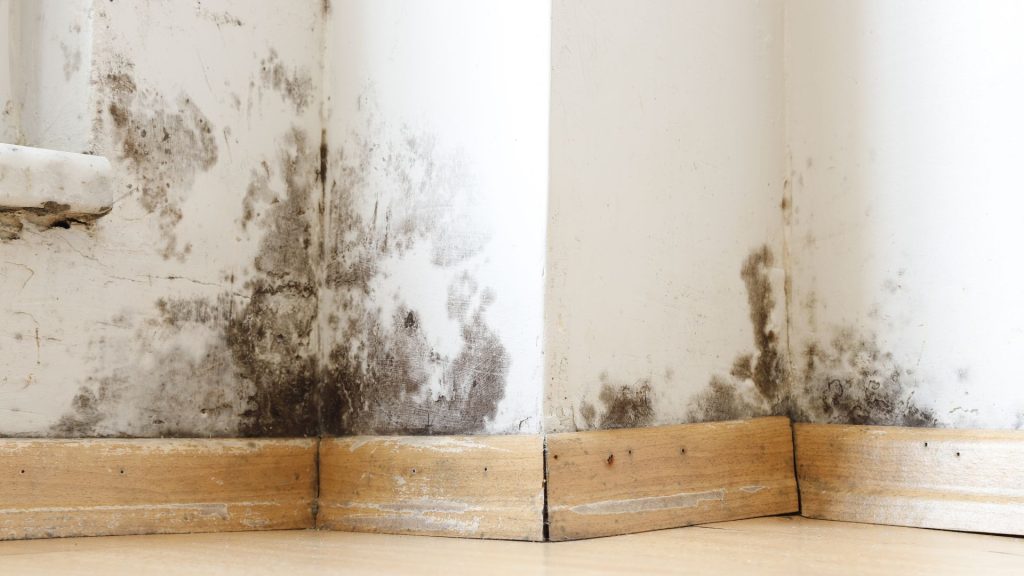
If you are searching for rising damp London, you may have noticed damp patches near the bottom of your walls, peeling paint, crumbling plaster, white salt marks, damaged skirting boards or a musty smell that keeps coming back.
Rising damp happens when moisture travels up from the ground through walls. In many London properties, this can happen when the original damp proof course is missing, damaged, bridged or no longer working properly.
However, not every damp patch near floor level is rising damp. Leaks, penetrating damp, condensation, poor ventilation and basement moisture can sometimes look very similar. That is why a proper inspection is important before any treatment is recommended.
At Total Damp Repair, we provide damp proofing London services across London and Greater London, helping homeowners, landlords, letting agents, property managers and commercial clients identify the real cause of damp before paying for unnecessary work.
If you have been searching for damp proofing near me, this guide explains the signs of rising damp, why it is common in older London properties, what treatment may involve, and when to contact a specialist.
What Is Rising Damp?
Rising damp is moisture that moves upwards from the ground through porous building materials such as brick, mortar or stone. As the moisture rises, it can carry salts into the wall and plaster. Over time, this may damage internal finishes and leave visible marks on the lower part of the wall.
A damp proof course is designed to stop ground moisture from rising above a certain level. In older properties, this barrier may be missing, damaged, bridged or affected by previous building work.
Rising damp usually affects ground-floor walls. It is less likely to appear halfway up a wall or on upper floors unless another moisture source is involved.
This is why a damp proof inspection should focus on the cause, not just the appearance of the wall. The aim is to understand why the wall is damp before choosing the treatment.
Common Signs of Rising Damp in London Properties
The signs of rising damp can vary depending on the age of the building, the type of wall, the plaster condition and how long the moisture has been present.
Common signs include:
- Damp patches near the bottom of internal walls
- Peeling paint or bubbling wallpaper
- Crumbling, powdery or damaged plaster
- White salt marks on the wall surface
- Rotten or weakened skirting boards
- Staining along the lower wall
- Musty smells in ground-floor rooms
- Damp returning after repainting
- Cold or wet-feeling walls near floor level
In London homes, these signs are often seen in older terraces, basement flats, converted houses, rental properties and commercial units. They may appear in hallways, living rooms, chimney breast areas, bay windows, lower-ground rooms or walls close to external paving.
If the damp keeps returning after cleaning or decorating, it may be time to contact experienced damp proofing specialists for a proper inspection.
Why Rising Damp Is Common in Older London Homes
London has many Victorian terraces, Edwardian houses, basement flats, converted properties and older commercial buildings. Many were built before modern waterproofing, insulation and ventilation standards. Some have also been altered several times over the years.
In areas such as Camden, Islington, Hampstead, Finchley, Kensington, Fulham, Chiswick, Ealing, Clapham, Wimbledon, Croydon, Richmond, Enfield and Haringey, damp problems are often linked to building age, solid brick walls, old plaster, poor sub-floor airflow and changes to external ground levels.
Rising damp may become more likely when external paving is too high, air bricks are blocked, old render reaches the ground, internal plaster bridges the DPC, or previous repairs trap moisture inside the wall.
This is why choosing a local damp specialist London can make a difference. London properties often need careful diagnosis because the true cause of damp is not always obvious from the inside.
Rising Damp or Another Damp Problem?
One of the biggest mistakes is assuming that every damp patch at low level is rising damp. It might be. But it could also be something else.
Penetrating damp can enter through damaged brickwork, cracked render, leaking gutters or defective pointing. Condensation can cause damp and mould in corners, behind furniture and around cold surfaces. Plumbing leaks can create localised wet patches. Basement moisture may come from lateral water pressure rather than moisture rising from the ground.
This is why damp proofing should not start with a generic treatment. It should start with diagnosis.
A proper inspection should check the location of the damp, moisture pattern, wall condition, external ground levels, ventilation, nearby plumbing, plaster condition and any visible salt contamination.
If you are searching for damp proof specialists near me, choose a company that explains the likely cause clearly before recommending a treatment.
How Rising Damp Is Treated
If rising damp is confirmed, treatment usually focuses on two things: stopping moisture from continuing to rise and repairing materials already affected by salts and moisture.
Depending on the property, treatment may involve installing a new chemical damp proof course, removing salt-contaminated plaster, preparing the wall correctly, allowing suitable drying time and replastering with appropriate materials.
In some cases, external issues must also be corrected. If paving or soil is bridging the DPC, the external ground level may need attention. If air bricks are blocked, sub-floor ventilation may need improving. If previous plaster has been applied incorrectly, it may need to be removed.
Good rising damp treatment is not just about injecting a wall. The surrounding causes need to be checked too. Otherwise, the damp may return.
Rising Damp Treatment Cost in London
The damp proofing cost for rising damp treatment in London depends on the size of the affected area, the number of walls involved, the thickness of the walls, the condition of the plaster and whether additional repairs are required.
A small area of rising damp on one wall will usually cost less to treat than damp affecting several rooms, a basement flat or a commercial property. Costs may also increase if damaged plaster needs to be removed, skirting boards are affected, or external ground levels need correcting.
London access can also affect how work is planned. Parking restrictions, shared entrances, basement access, tenants, business hours and restricted working areas can all influence the final quote.
The safest way to understand the price is to arrange a damp survey. A quote should be based on what the property needs, not a rough guess over the phone.
Rising Damp in North, West and South London
Total Damp Repair helps clients with rising damp and damp proofing across London and Greater London.
In damp proofing north London areas such as Camden, Islington, Hampstead, Highgate, Finchley and Barnet, rising damp may be found in older terraces, converted houses, basement rooms and properties with solid brick walls.
In damp proofing west London areas such as Kensington, Chelsea, Fulham, Chiswick, Ealing and Hammersmith, lower-ground flats and period homes often need careful inspection before treatment is recommended.
In damp proofing south London areas such as Clapham, Wimbledon, Croydon, Dulwich, Brixton and Battersea, damp can appear in Victorian terraces, converted flats, rental homes and properties with older external walls.
The area matters, but the diagnosis matters more. The right treatment depends on the cause, not just the postcode.
Rising Damp in Rental and Commercial Properties
Rising damp can be a serious concern for landlords, letting agents, property managers and businesses. It can damage plaster, affect decoration, create musty smells and lead to repeat complaints if the cause is not properly treated.
For rental properties, quick cosmetic repairs are rarely enough. Repainting a damp wall may hide the issue briefly, but if moisture is still rising or entering the wall, staining and plaster damage can return.
Total Damp Repair provides damp proofing services London for domestic and rental properties, as well as commercial damp proofing London for shops, offices, basements, storage areas, rental units and communal spaces.
For commercial premises, damp proofing may need to be planned around opening hours, access, customer areas and staff safety. The right treatment should solve the moisture issue while keeping disruption as controlled as possible.
Rising Damp Services Across London and Greater London
Total Damp Repair provides rising damp London inspections and treatment advice across North London, West London, South London, East London and wider Greater London.
We regularly help homeowners, landlords, estate agents, property managers and commercial clients with damp problems in older houses, converted flats, basement properties, rental homes and commercial units.
Whether the issue is in Camden, Islington, Hampstead, Kensington, Fulham, Chiswick, Ealing, Clapham, Wimbledon, Croydon, Richmond, Enfield or nearby areas, our team can inspect the property and recommend the right damp treatment based on the cause.
This local approach is important because London buildings vary so much. A damp wall in a lower-ground flat in Kensington may need a different solution from a damp hallway in an Islington terrace or a rental property in Croydon.
Why Choose Total Damp Repair for Rising Damp Treatment in London?
Total Damp Repair is a London-based damp and mould treatment company providing damp proofing, damp surveys, mould treatment, ventilation solutions, PIV unit installation, tanking and structural waterproofing services.
We understand that rising damp is often misunderstood. A low-level damp patch does not always mean the same thing in every property. That is why our approach starts with inspection and diagnosis before treatment is recommended.
Our team works across London and Greater London, helping homeowners, landlords, estate agents, property managers and businesses deal with damp properly. Whether the issue is rising damp, penetrating damp, condensation, mould or basement moisture, we aim to identify the source and recommend a practical treatment plan.
If you are looking for experienced London damp specialists or the best damp specialists London, Total Damp Repair can help you understand what is happening and what to do next.
Final Thoughts: Get Rising Damp Advice in London
Rising damp can damage plaster, decoration and internal finishes if it is left untreated. But it should not be guessed. Before paying for a new DPC or replastering, the cause needs to be confirmed.
In many London properties, damp can be linked to older walls, bridged damp proof courses, external ground levels, poor ventilation, leaks or previous building work. The right treatment depends on the real source of moisture.
Contact Total Damp Repair today to arrange an inspection and get clear advice from local damp proofing London specialists.
Frequently Asked Questions
What does rising damp look like?
Rising damp often appears as damp patches near the bottom of internal walls, peeling paint, crumbling plaster, white salt marks or damaged skirting boards.
Is rising damp common in London?
Yes, rising damp London problems are common in older homes, basement flats, converted properties and buildings where the original damp proof course is damaged, missing or bridged.
Do I need a new damp proof course?
You may need a new damp proof course if rising damp is confirmed. However, the wall should be inspected first because other damp problems can look similar.
How much does rising damp treatment cost?
The cost depends on the size of the affected area, wall condition, plaster damage and treatment required. A damp survey is the best way to understand the likely damp proofing cost.
Who should I call for rising damp in London?
You should contact experienced damp proofing specialists who can inspect the property, confirm the cause and recommend the right treatment. Total Damp Repair provides damp inspections and treatment across London and Greater London.dp


