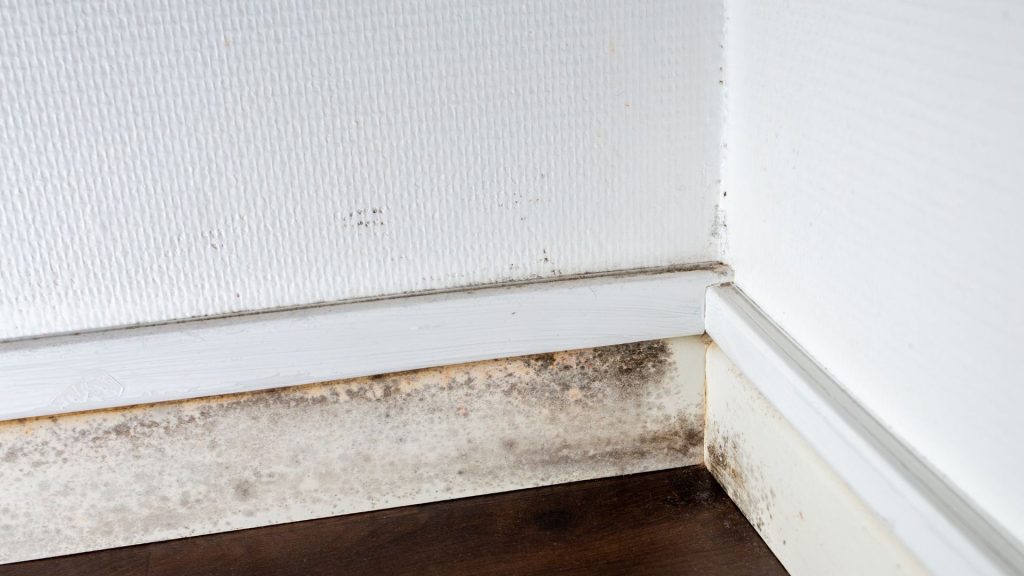
Structural moisture problems rarely appear overnight. More often, they start subtly, slight damp patches, a faint musty smell, or discolouration creeping along walls. Left untreated, these early signs can develop into more serious issues, affecting both the structure of a property and the environment inside it. This is where structural waterproofing becomes essential.
In areas like London, where many properties are older and exposed to varying ground conditions, protecting against water ingress is critical. From basement waterproofing in converted spaces to protecting load-bearing elements below ground level, the right approach can prevent long-term damage and costly repairs.
Modern waterproofing solutions vary depending on the building and the level of moisture exposure. Some systems block water at the point of entry, while others manage and redirect it safely away from the structure. Understanding these differences is key to making the right decision.
As a specialist structural waterproofing company working across London, Total Damp Repair focuses on identifying the root cause of moisture issues and applying tailored systems that last. In this guide, we explain the three main types of structural waterproofing, Type A, B, and C, so you can better understand which approach is right for your property.
What Is Structural Waterproofing?
At its core, structural waterproofing refers to the methods used to protect a building from water ingress at a structural level. Unlike surface-level treatments, it focuses on safeguarding the integrity of walls, floors, and foundations, particularly in areas below ground where moisture pressure is highest.
This protection can take several forms depending on the construction and environment. For example, foundation waterproofing is critical in preventing water from penetrating load-bearing elements, while wall waterproofing helps stop lateral moisture movement through surrounding soil. In many cases, a combination of systems is required to ensure full coverage.
Different materials and techniques are used across projects. A waterproofing membrane may be applied to create a physical barrier, while cement waterproofing systems, often referred to as waterproofing cementitious coatings, bond directly to surfaces such as brick or concrete to resist moisture penetration. These are commonly used in both brick waterproofing and concrete waterproofing applications.
Ultimately, effective concrete and waterproofing strategies are not just about stopping visible water. They are designed to manage pressure, prevent long-term deterioration, and ensure that the structure remains dry, stable, and suitable for its intended use.
Understanding BS8102 Waterproofing Standards
When it comes to protecting a structure against water ingress, design should never be based on guesswork. In the UK, all professional work is guided by BS8102, the British Standard that sets out how below-ground structures should be protected from water. It defines not only the methods used, but the level of dryness a space must achieve depending on how it will be used.
BS8102 introduces three grades of protection. A basic level may be suitable for storage, while higher grades are required for habitable spaces such as living areas or converted basements. This is particularly important in projects involving basement waterproofing, where the expectations for dryness and comfort are significantly higher.
At Total Damp Repair, every project begins with a detailed assessment aligned with these standards. As a trusted provider of structural waterproofing London services, we don’t apply one-size-fits-all systems. Instead, we design tailored approaches based on the building, ground conditions, and intended use of the space.
For clients searching for basement waterproofing near me, the difference lies in proper planning. By following BS8102 principles, we ensure that each solution is not only compliant, but built to perform long-term, reducing risk, preventing failure, and protecting your property where it matters most.
Type A Waterproofing: Barrier Protection (Tanking Systems)
Type A systems are one of the most commonly used approaches in structural waterproofing, particularly in existing properties. Often referred to as tanking, this method works by creating a physical barrier that prevents water from entering the structure.
In practice, this involves applying protective materials directly onto walls and floors. A waterproofing membrane or waterproofing cementitious coating is used to seal surfaces, forming a continuous layer that resists moisture penetration. These systems are widely used in wall waterproofing, especially where external access is limited.
Type A solutions are particularly effective in brick waterproofing applications and can also be applied to concrete structures where surface preparation is properly carried out. When installed correctly, they provide a solid first line of defence against water ingress.
At Total Damp Repair, we often use this method as part of a wider system rather than a standalone fix. As an experienced structural waterproofing company, we understand that barrier systems alone may not always be sufficient, especially in areas exposed to high water pressure. That’s why we assess each property carefully before recommending the most appropriate solution.
While Type A systems can be cost-effective and efficient, their performance depends heavily on correct installation and the condition of the underlying structure. In many London properties, combining this method with other forms of waterproofing delivers far more reliable, long-term protection.
Type B Waterproofing: Structurally Integral Protection
Type B systems take a completely different approach. Instead of adding a barrier after construction, the structure itself is designed to resist water. This is typically achieved through concrete waterproofing, where specially formulated concrete is used to limit water penetration from the outset.
In this method, the waterproofing is built into the fabric of the building. The concrete mix, joint detailing, and construction process all play a critical role. When done correctly, it forms a robust defence against groundwater without the need for additional surface treatments. This is why Type B is commonly used in new builds, particularly for basements and below-ground structures.
From our experience at Total Damp Repair, Type B systems are highly effective, but only when executed to a high standard during construction. Any weakness in joints, cracks, or poor workmanship can compromise the system. That’s where expertise in concrete and waterproofing becomes essential.
Although this method is not typically used in retrofit projects, we often encounter properties where Type B has failed or needs reinforcing. In such cases, we assess the structure and recommend complementary waterproofing solutions to ensure long-term protection.
As specialists in structural waterproofing London, we understand that no single system fits every scenario. Type B offers strength and durability, but in many real-world applications, especially in older London properties, it works best when combined with other protective measures.
Type C Waterproofing: Drained Protection Systems
Type C systems focus on managing water rather than trying to block it entirely. Instead of resisting pressure at the point of entry, this method allows water to enter in a controlled way and then safely redirects it away from the structure.
This is typically achieved using a cavity drain system. A waterproofing membrane is installed along walls and floors, creating a small void where any incoming moisture can be collected. That water is then channelled into a drainage system and removed, usually via a sump pump. This makes Type C one of the most reliable approaches for basement waterproofing, particularly in areas with high water tables.
At Total Damp Repair, we frequently recommend this system for properties where traditional barriers may struggle to perform long-term. As a leading structural waterproofing company, we’ve seen first-hand how managing water can often be more effective than attempting to stop it completely, especially in older buildings.
Type C systems are widely used in foundation waterproofing projects and are ideal for converting basements into usable living spaces. They offer flexibility, durability, and a higher level of protection when designed correctly.
However, ongoing performance depends on proper installation and maintenance. Pumps, drainage channels, and access points must remain functional to ensure the system continues to protect the property effectively. This is why working with experienced structural waterproofing London specialists is critical, getting it right from the start avoids costly issues later.
Which Waterproofing System Is Right for Your Property?
Choosing the right structural waterproofing system depends on how and where water is affecting your property.
For below-ground spaces, basement waterproofing is often essential, especially in high moisture areas. In some cases, cement waterproofing may be suitable for stable surfaces, while others require more advanced systems to manage ongoing water pressure.
Older properties may need targeted wall waterproofing, whereas structural elements below ground often require proper foundation waterproofing to prevent long-term damage.
At Total Damp Repair, we assess each property individually. As a trusted structural waterproofing company, we design tailored waterproofing solutions that are built for long-term performance, not temporary fixes.
Why Professional Waterproofing Matters
Effective structural waterproofing isn’t just about applying a product, it’s about correct diagnosis, design, and installation.
Many issues arise from poorly applied systems or the wrong method being used altogether. Whether it’s failed concrete waterproofing or ineffective brick waterproofing, shortcuts often lead to recurring problems and higher costs long-term.
At Total Damp Repair, we focus on doing it right from the start. As a specialist structural waterproofing company, we deliver reliable waterproofing solutions tailored to each property, ensuring lasting protection rather than temporary fixes.
Get Expert Help from Total Damp Repair
If you’re dealing with ongoing moisture issues or planning a basement conversion, now is the time to act.
At Total Damp Repair, we provide professional waterproofing solutions across London, tailored to your property and built for long-term results.
- Detailed assessments
- Proven systems
- Reliable, lasting protection
Contact our team today to book a survey and get expert advice from a trusted structural waterproofing London specialist.


