
January 7, 2026

Written by
gabriela
What’s the Difference Between Mould and Mildew?
What is Mould?
Mould is a type of fungus that grows where excess moisture and poor airflow create the perfect breeding ground. It reproduces through tiny spores that spread easily through the air and attach themselves to damp surfaces. Once it takes hold, mould can spread quickly, causing damage to walls, plaster, ceilings, and timber.
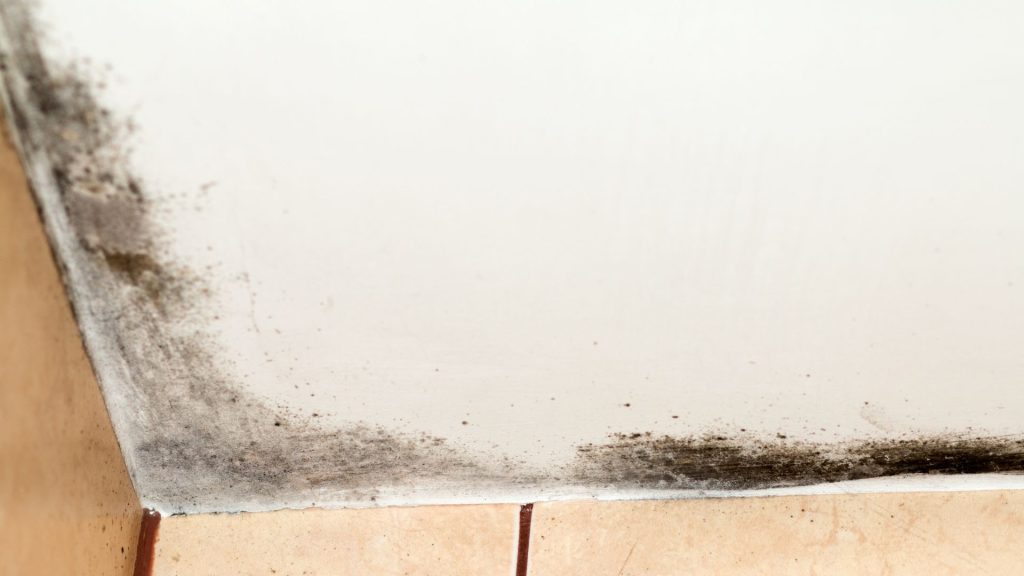
The most common form found in homes is black mould, which often appears as dark patches on walls or ceilings. Left untreated, it can release spores that aggravate allergies, worsen asthma, and irritate the lungs. Simply wiping affected areas rarely works, mould tends to grow deep into surfaces, which is why professional mould removal London services are often necessary.
Our team at Total Damp Repair use advanced methods and the best mould remover for walls to fully eradicate outbreaks. Whether it’s cleaning mould from walls in a bathroom or carrying out large-scale mould remediation London, we ensure your property is left safe, healthy, and mould-free.
What is Mildew?
Mildew is often mistaken for mould, but it behaves differently. Unlike mould, which can penetrate deeply into surfaces and cause lasting damage, mildew tends to remain on the surface. It usually appears as a thin, powdery film that’s white, grey, or sometimes yellow in colour.
You’ll often spot mildew on tiles, fabrics, or areas where condensation collects, such as bathroom corners. While it doesn’t burrow into walls the way mould does, it is still a warning sign that your home has excess moisture or poor ventilation.
The good news is that mildew is generally easier to remove. With proper products and a bit of effort, homeowners can often clean mould-like mildew patches themselves. However, if mildew keeps coming back, it’s usually a sign of an underlying damp problem.
At Total Damp Repair, we frequently meet clients who believed they only had mildew, when in fact it was the early stage of a more serious mould outbreak. In these cases, specialist intervention and thorough cleaning mould of walls is required to stop spores from spreading deeper. That’s why it’s so important to know the difference, what looks like a harmless powdery patch may actually be the start of something more destructive.
Key Differences Between Mould and Mildew
Although mould and mildew are often confused, they differ in how they look, how they spread, and how they should be treated. Understanding these differences helps you act quickly and choose the right solution, whether that’s simple cleaning or calling in professional help from mould experts London.
- Appearance
- Mould: Usually darker in colour (black, green, or brown) and appears in irregular patches. It can look fuzzy or slimy depending on the surface.
- Mildew: Light in colour (white, grey, or yellow) and forms a flat, powdery layer on surfaces like tiles or fabrics.
- Growth Depth
- Mould: Penetrates surfaces, making it much harder to remove. Without professional mould removal services London, it often comes back.
- Mildew: Stays on the surface and is generally easier to wipe away, though it can still return if humidity isn’t managed.
- Health Risks
- Mould: Especially black mould, can trigger allergies, aggravate asthma, and irritate lungs. This is why many homeowners rely on mould cleaning services to remove it safely.
- Mildew: Less dangerous but can still cause minor irritation and musty odours if left untreated.
- Treatment
- Mould: Requires deep cleaning, specialist products, and often professional intervention to be completely eradicated.
- Mildew: Can usually be wiped away with a suitable cleaner, but recurring mildew is a sign of moisture problems that may need further attention.
Signs You’re Dealing with Mould vs Mildew
It isn’t always easy to know whether you’re facing mould or mildew, but there are some tell-tale signs that can help you distinguish between the two. Knowing what you’re up against helps you decide whether simple cleaning will do, or whether you need expert help.
Signs of Mould:
- Dark, irregular patches, often black mould or green in colour.
- Musty, earthy odour that lingers even after cleaning mould from the surface.
- Patches that reappear quickly after you try to clean black mould.
- Bubbling paint, peeling wallpaper, or plaster that feels soft to the touch.
- Health issues like coughing, sneezing, or irritated eyes that worsen indoors.
Signs of Mildew:
- Light-coloured, powdery patches (white, grey, or yellow).
- Typically flat, spreading across tiles, fabrics, or damp corners.
- Less odour than mould, but may still produce a faint musty smell.
- Easier to wipe away, though it may return if ventilation isn’t improved.
How to Remove Them
Not all fungal problems are the same, which is why mildew and mould require different approaches. While mildew can sometimes be tackled with simple cleaning, mould is more aggressive and demands professional treatment. Here’s how to deal with each:
Removing Mildew (DIY Options)
Because mildew is surface-level, it’s usually easier to remove. Common methods include:- Wiping with vinegar or diluted bleach – effective for small, powdery patches.
- Using shop-bought mildew sprays – convenient but often temporary.
- Improving airflow – opening windows or running extractor fans reduces humidity and prevents recurrence.
- Drying affected areas quickly – especially in bathrooms, where condensation builds up daily.
Removing Mould (Professional Solution Recommended)
Mould is more stubborn. It penetrates surfaces and continues to spread even after surface wiping. Here’s why professional intervention matters:- Depth of growth: Unlike mildew, mould grows beneath paint, plaster, and even timber. Standard sprays marketed as mould remover can’t reach that deep.
- Health risks: Black mould releases spores that aggravate asthma and allergies. Attempting to clean black mould without safety measures can make the problem worse.
- Recurrence: Homeowners often find themselves cleaning mould off walls or cleaning mould from walls over and over, only for it to return within weeks.
- Professional black mould remover treatments – stronger and safer than DIY products.
- Specialist mould remover for walls – designed to penetrate and kill spores at their root.
- Containment systems – preventing spores from spreading to other rooms.
- Full moulding removal and surface repair – restoring damaged walls and plaster.
- Comprehensive mould remediation London services – addressing both the outbreak and its underlying cause.
Why Choose Professional Help for Mould?
Here’s why professional mould cleaning services are the safest solution:- We stop mould at its source, so you don’t waste time reapplying sprays.
- We protect your health with safe removal and containment.
- We provide long-term prevention, not just short-term fixes.
- We guarantee results with our trusted mould removal services London.
Prevention Tips
Preventing mould is always better than dealing with an outbreak. While cleaning mould of walls may give you short-term relief, the real goal is to stop mould from forming in the first place. At Total Damp Repair, we combine professional mould remediation London with practical advice for homeowners to keep properties safe and healthy.
Here are some effective ways to prevent mould growth:
- Control Moisture at the Source
- Fix leaking pipes, gutters, or roofs immediately.
- Dry wet areas quickly, never leave damp towels, carpets, or fabrics lying around.
- Invest in damp-proofing solutions if you live in an older London property.
- Improve Ventilation
- Use extractor fans in kitchens and bathrooms to remove humid air.
- Install Positive Input Ventilation (PIV) systems to improve airflow.
- Keep furniture slightly away from walls to prevent trapped condensation.
- Regulate Indoor Humidity
- Aim for indoor humidity below 60%.
- Use dehumidifiers in basements, bathrooms, or other damp-prone areas.
- Heat rooms evenly during colder months to reduce condensation.
- Regular Inspections & Maintenance
- Check walls, ceilings, and window frames regularly for signs of damp or early black mould patches.
- If you notice recurring growth, professional treating mould on walls is essential to stop it spreading deeper.
- Schedule property checks with mould experts London to prevent small issues becoming major problems.
- Use Protective Coatings & Finishes
- Apply mould-resistant paints in bathrooms, kitchens, and basements.
- After moulding removal, we often apply treatments to walls and plaster to prevent spores from taking hold again.
- Lifestyle Adjustments
- Avoid drying clothes indoors without proper ventilation.
- Keep lids on pans while cooking.
- Open windows regularly to let in fresh air, especially after showers or cooking.
When to Call a Professional
While small patches of mildew can often be managed at home, mould is a different matter. If you notice:
- Recurring black mould even after cleaning mould off walls
- Strong, musty odours that linger despite cleaning
- Health issues such as coughing, sneezing, or aggravated asthma indoors
- Paint, plaster, or wallpaper bubbling or peeling
- Large areas of contamination spreading across walls or ceilings