How Poor Ventilation Causes Mould and How to Fix It
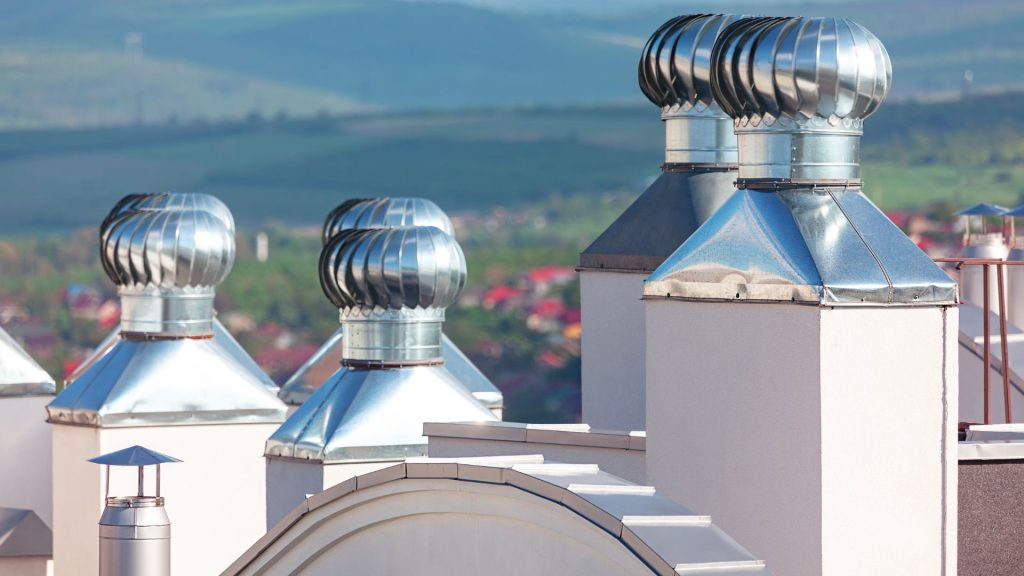
Discover how poor ventilation triggers mould, the health risks it creates, and the most effective ways to stop it for good with expert guidance and practical solutions.
Why Total Damp Repair Are London’s Trusted Tanking Experts
Discover why Total Damp Repair are London’s go-to specialists for basement and cellar tanking, offering expert waterproofing, long-lasting protection and trusted service.
Positive Input Ventilation Pros and Cons
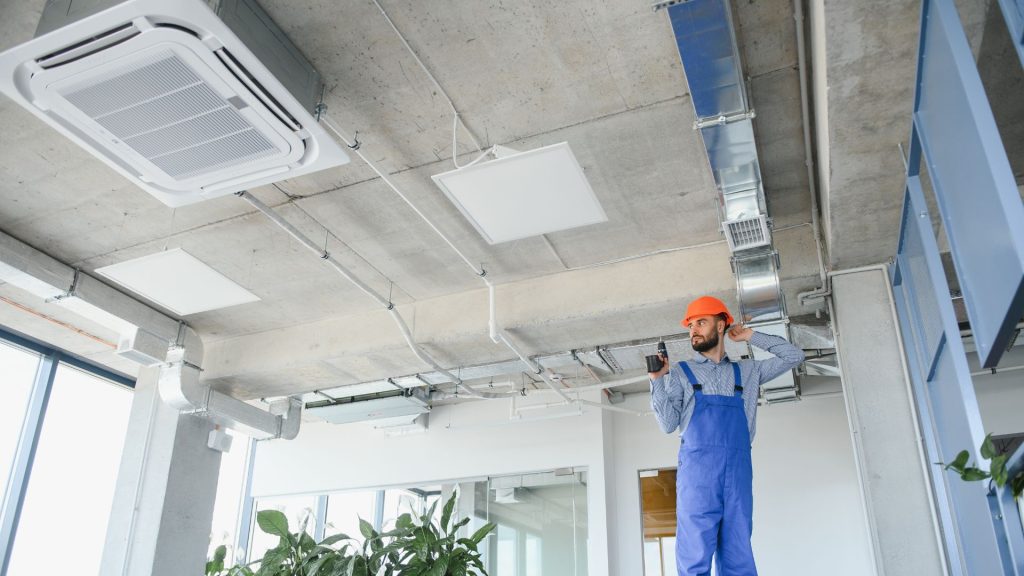
Positive Input Ventilation Pros and Cons: Is It Worth Installing? If your home suffers from condensation, black mould, or musty smells that linger no matter how much you clean, you’re not alone. Thousands of UK households deal with the same hidden culprit, trapped, humid air. This is where a Positive Input Ventilation (PIV) system can make all the difference. A PIV unit works by introducing a continuous flow of filtered, fresh air into your home while gently pushing out stale, moisture-laden air. This simple yet effective approach can transform air quality, regulate humidity, and protect your walls, ceilings, and health from the long-term effects of damp. But before investing, it’s essential to understand both sides. Like any home improvement, positive input ventilation systems come with their own benefits and limitations. In this guide, we’ll explore the real positive input ventilation pros and cons, how they work, and whether installing a PIV system is the right choice for your property. What Is a Positive Input Ventilation System? A Positive Input Ventilation (PIV) system is a whole-house ventilation solution designed to improve indoor air quality and prevent problems caused by excess moisture, such as condensation, damp, and mould. The system works by drawing in fresh air, usually from the loft or outside, and filtering it before gently distributing it throughout the home. This steady airflow creates a positive pressure inside the property, which forces out humid, stale air through natural leakage points and extractor vents. The result is cleaner, drier air and a healthier indoor environment. A professionally installed PIV unit runs continuously at a low level and is highly energy-efficient. Modern PIV systems are designed to operate quietly and require minimal maintenance, making them suitable for both houses and flats across the UK. Unlike standard extractor fans or dehumidifiers, a positive input ventilation system tackles the root cause of condensation by improving the overall air circulation within the building, not just a single room. This makes it one of the most reliable long-term solutions for improving air quality and protecting your property from moisture-related damage. The Pros of Positive Input Ventilation A professionally installed Positive Input Ventilation system offers multiple long-term benefits for both air quality and property health. Designed to deliver consistent airflow throughout your home, it prevents many of the underlying issues caused by humidity and poor ventilation. Improved Air Circulation and Quality A PIV ventilation setup ensures that your home receives a constant flow of filtered air. This helps reduce allergens, pollutants, and airborne particles while maintaining balanced humidity. Over time, occupants experience fresher, healthier air, especially beneficial for those with respiratory conditions or allergies. Effective Condensation and Damp Control By gently introducing filtered air, PIV units regulate moisture levels throughout the property. This eliminates condensation build-up on windows, walls, and ceilings, reducing the risk of mould growth. For many UK homes prone to excess humidity, PIV systems UK provide one of the most effective long-term solutions. Quiet, Energy-Efficient Operation Modern PIV systems are engineered for low-energy consumption and quiet operation. They use only a small amount of electricity while delivering continuous ventilation. A PIV unit or diffuser ensures even air distribution without drafts or noise, making these systems suitable for everyday living environments. Low Maintenance and Long-Term Reliability Once fitted, a PIV system requires minimal upkeep, usually just filter cleaning or replacement once a year. Built with durable components, today’s positive input ventilation systems are designed for longevity, providing reliable performance for many years. Whole-Home Ventilation Solution Unlike extractor fans that only work in one area, a PIV ventilation system supports the entire property. It creates balanced airflow that reaches every room, ensuring consistent temperature and humidity levels year-round. Helps Regulate Indoor Temperature A PIV ventilation system helps stabilise indoor temperatures by reducing excess moisture and cold spots. This balance creates a more comfortable environment throughout the year and reduces condensation on cold surfaces, particularly during winter. Reduces the Need for Dehumidifiers Because a positive input ventilation unit continuously removes damp air, it often eliminates the need for standalone dehumidifiers. This not only saves energy but also cuts down on the ongoing maintenance that plug-in devices typically require. Supports Better Building Health Over time, moisture can cause structural damage to plaster, paintwork, insulation, and even timber frames. Installing a PIV system protects the building fabric by maintaining optimal humidity levels, extending the lifespan of your property. Compatible with Most UK Homes Whether you live in a new-build apartment or a traditional brick house, PIV systems UK are adaptable and can be customised to suit different layouts. Our experienced engineers ensure each PIV installation is tailored to your home’s ventilation needs. Adds Long-Term Property Value A well-ventilated home with stable humidity levels is far less prone to damage, a fact valued by surveyors and buyers alike. Investing in the best PIV system UK not only improves living conditions but can also enhance your property’s overall market appeal. Overall, investing in a PIV unit installation is not just about addressing visible damp; it’s a proactive step towards healthier living conditions, better air quality, and protecting the long-term value of your home. The Cons of Positive Input Ventilation While a Positive Input Ventilation system offers many advantages, it’s important to consider a few practical limitations before installation. Understanding these factors helps you make an informed decision about whether a PIV unit is right for your home. Initial Installation Cost Although highly efficient once fitted, a professional PIV unit installation requires an upfront investment. Because every property is unique, the PIV unit cost can vary based on layout, accessibility, and the type of system chosen. Not a Quick Fix for Structural Damp A positive input ventilation system controls humidity and condensation but will not cure rising damp or water ingress. It should form part of a wider moisture-control plan rather than a standalone remedy. Requires a Suitable Loft or Wall Space
Inside a Day with a Professional Damp Surveyor
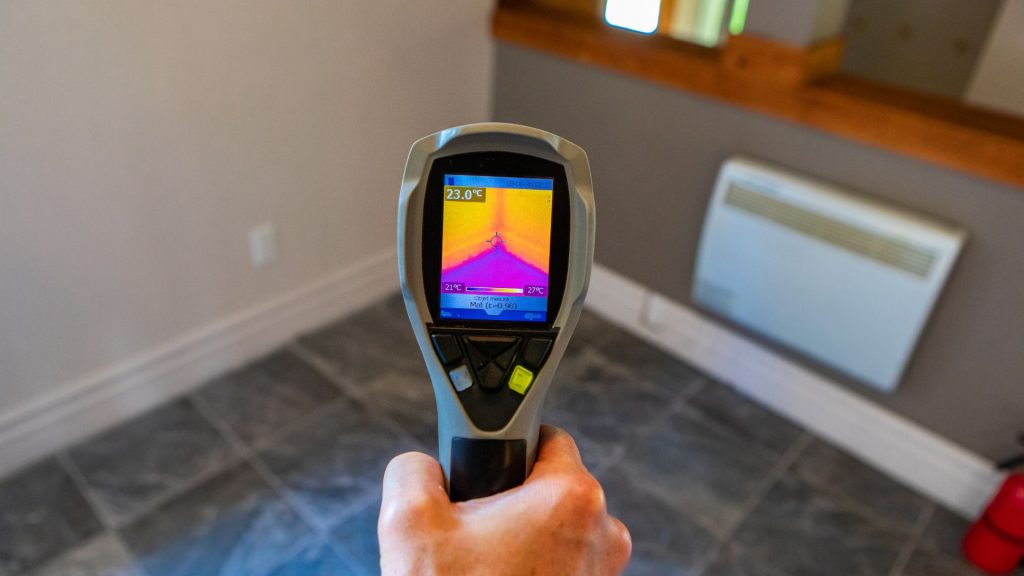
Discover how expert damp surveyors London detect hidden moisture, prevent mould, and protect homes from long-term damp damage with advanced inspection methods.
Mould vs Mildew: Key Differences Every Homeowner Must Know

What’s the Difference Between Mould and Mildew? Many homeowners confuse mould and mildew, often thinking they are the same problem. While both thrive in damp, humid spaces, they are not identical, and treating them properly requires understanding the differences. Mould is a more aggressive fungus that can damage walls, plaster, and even structural elements if left untreated. It is also linked to health risks, making professional mould removal London services essential in severe cases. Mildew, on the other hand, is usually a surface-level fungus that looks lighter in colour and is easier to wipe away, though it still signals excess moisture in your property. At Total Damp Repair, our role as trusted mould specialists London is to help property owners spot the signs, understand the risks, and know when professional mould cleaning services are needed. What is Mould? Mould is a type of fungus that grows where excess moisture and poor airflow create the perfect breeding ground. It reproduces through tiny spores that spread easily through the air and attach themselves to damp surfaces. Once it takes hold, mould can spread quickly, causing damage to walls, plaster, ceilings, and timber. The most common form found in homes is black mould, which often appears as dark patches on walls or ceilings. Left untreated, it can release spores that aggravate allergies, worsen asthma, and irritate the lungs. Simply wiping affected areas rarely works, mould tends to grow deep into surfaces, which is why professional mould removal London services are often necessary. Our team at Total Damp Repair use advanced methods and the best mould remover for walls to fully eradicate outbreaks. Whether it’s cleaning mould from walls in a bathroom or carrying out large-scale mould remediation London, we ensure your property is left safe, healthy, and mould-free. What is Mildew? Mildew is often mistaken for mould, but it behaves differently. Unlike mould, which can penetrate deeply into surfaces and cause lasting damage, mildew tends to remain on the surface. It usually appears as a thin, powdery film that’s white, grey, or sometimes yellow in colour. You’ll often spot mildew on tiles, fabrics, or areas where condensation collects, such as bathroom corners. While it doesn’t burrow into walls the way mould does, it is still a warning sign that your home has excess moisture or poor ventilation. The good news is that mildew is generally easier to remove. With proper products and a bit of effort, homeowners can often clean mould-like mildew patches themselves. However, if mildew keeps coming back, it’s usually a sign of an underlying damp problem. At Total Damp Repair, we frequently meet clients who believed they only had mildew, when in fact it was the early stage of a more serious mould outbreak. In these cases, specialist intervention and thorough cleaning mould of walls is required to stop spores from spreading deeper. That’s why it’s so important to know the difference, what looks like a harmless powdery patch may actually be the start of something more destructive. Key Differences Between Mould and Mildew Although mould and mildew are often confused, they differ in how they look, how they spread, and how they should be treated. Understanding these differences helps you act quickly and choose the right solution, whether that’s simple cleaning or calling in professional help from mould experts London. Appearance Mould: Usually darker in colour (black, green, or brown) and appears in irregular patches. It can look fuzzy or slimy depending on the surface. Mildew: Light in colour (white, grey, or yellow) and forms a flat, powdery layer on surfaces like tiles or fabrics. Growth Depth Mould: Penetrates surfaces, making it much harder to remove. Without professional mould removal services London, it often comes back. Mildew: Stays on the surface and is generally easier to wipe away, though it can still return if humidity isn’t managed. Health Risks Mould: Especially black mould, can trigger allergies, aggravate asthma, and irritate lungs. This is why many homeowners rely on mould cleaning services to remove it safely. Mildew: Less dangerous but can still cause minor irritation and musty odours if left untreated. Treatment Mould: Requires deep cleaning, specialist products, and often professional intervention to be completely eradicated. Mildew: Can usually be wiped away with a suitable cleaner, but recurring mildew is a sign of moisture problems that may need further attention. Signs You’re Dealing with Mould vs Mildew It isn’t always easy to know whether you’re facing mould or mildew, but there are some tell-tale signs that can help you distinguish between the two. Knowing what you’re up against helps you decide whether simple cleaning will do, or whether you need expert help. Signs of Mould: Dark, irregular patches, often black mould or green in colour. Musty, earthy odour that lingers even after cleaning mould from the surface. Patches that reappear quickly after you try to clean black mould. Bubbling paint, peeling wallpaper, or plaster that feels soft to the touch. Health issues like coughing, sneezing, or irritated eyes that worsen indoors. Mould is persistent and often grows beneath the surface. This is why DIY attempts at cleaning mould off walls rarely succeed long-term, the spores remain active underneath. Signs of Mildew: Light-coloured, powdery patches (white, grey, or yellow). Typically flat, spreading across tiles, fabrics, or damp corners. Less odour than mould, but may still produce a faint musty smell. Easier to wipe away, though it may return if ventilation isn’t improved. Unlike mould, mildew is usually only surface deep. However, if you find yourself cleaning mould from walls regularly and the issue returns, it could be that what you thought was mildew is actually mould beginning to spread. How to Remove Them Not all fungal problems are the same, which is why mildew and mould require different approaches. While mildew can sometimes be tackled with simple cleaning, mould is more aggressive and demands professional treatment. Here’s how to deal with each: Removing Mildew
Rising Damp vs Condensation | Damp Proofing London
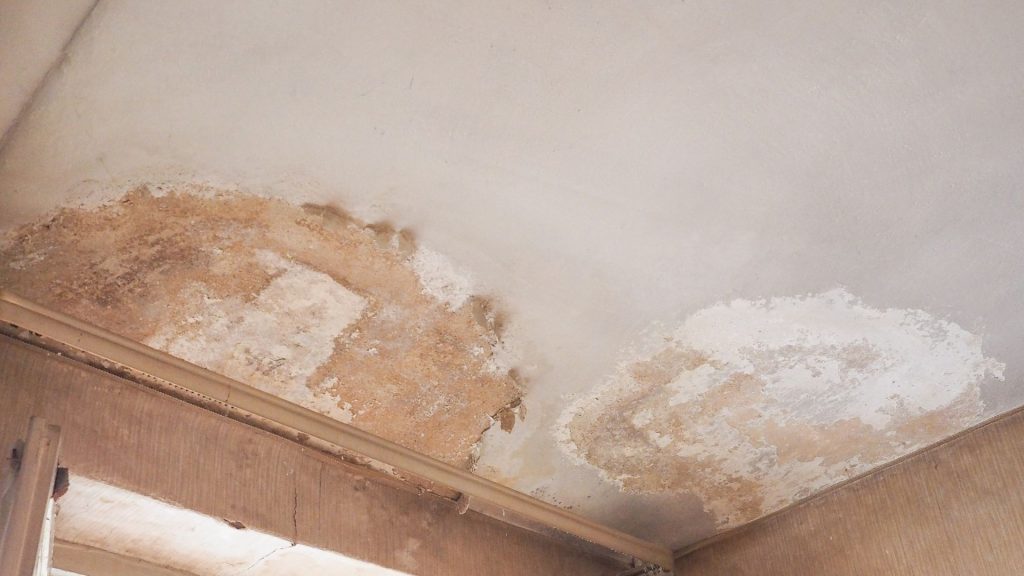
Rising Damp vs Condensation: Understanding the Difference When damp appears in a home, many people assume it’s all the same problem. In reality, rising damp and condensation are two very different issues, and treating one as the other can waste money and leave your property at risk. At Total Damp Repair, we specialise in professional damp proofing London services, helping homeowners identify the exact cause of moisture problems through expert surveys and tailored damp proofing solutions. Knowing whether you’re dealing with rising damp or condensation is the first step to protecting your home, and ensuring your investment in a damp proof course or ventilation system pays off in the long run. What is Rising Damp? Imagine your walls acting like a sponge. That’s essentially what happens with rising damp, moisture from the ground is drawn upwards through the tiny pores in bricks and mortar. In homes where the damp proof course is missing, broken, or simply too old to do its job, this hidden process quietly damages the structure from the bottom up. The tell-tale signs aren’t always dramatic at first: faint tide marks creeping up your walls, wallpaper peeling for no obvious reason, or skirting boards that feel softer than they should. Over time, however, rising damp leaves a clear trail, salt deposits, crumbling plaster, and that unmistakable earthy smell that no amount of air freshener can mask. At Total Damp Repair, we treat rising damp as more than just a cosmetic nuisance. Our detailed damp proof surveys confirm whether the problem is genuine rising damp (and not mistaken for condensation). If it is, we restore your home by installing or repairing the damp proof course, creating a permanent barrier against ground moisture. Once secure, we reapply damp proof plaster, ensuring your walls are protected and ready for decoration without the risk of recurring stains. While the cost of damp proofing varies depending on the size and condition of the property, the real cost comes from ignoring it. Left untreated, rising damp can undermine walls, rot timber, and reduce your home’s value, making timely intervention a smart investment. What is Condensation? While rising damp starts in the ground, condensation begins in the air you breathe every day. Picture warm air inside your home, from cooking, showering, or even breathing, hitting a cold wall or window. The moisture has nowhere to go, so it settles on surfaces, creating beads of water that eventually soak into plaster, paint, and wood. Unlike rising damp, condensation isn’t about failed barriers or missing damp proof courses. It’s about how your home manages airflow and humidity. That’s why it often shows up in kitchens, bathrooms, or bedrooms, the rooms where daily life produces the most moisture. The warning signs are easy to spot: Streaming windows on cold mornings Black mould on walls, ceilings, or around window frames Musty smells that linger even after cleaning Peeling paint and bubbling wallpaper in humid spaces At Total Damp Repair, we see condensation as the “silent saboteur.” Left untreated, it doesn’t just stain your walls, it creates the perfect breeding ground for mould, which can affect your health. While general damp proofing solutions like plastering and barriers are designed for rising damp, condensation often requires a different strategy, such as improved ventilation, controlled heating, and expert guidance. This is where choosing the right company matters. Many homeowners search for damp proofing companies near me, only to be offered a quick fix that masks the problem. Our role as trusted damp proofing specialists London is to properly diagnose whether you’re facing rising damp or condensation, because each needs its own treatment plan. Key Differences Between Rising Damp & Condensation While both cause damage to your home, rising damp and condensation are very different problems. Here are the main differences every homeowner should know: Cause Rising damp is caused by moisture from the ground travelling upwards through walls when a damp proof course is missing or has failed. Condensation happens when warm, humid air inside your home hits cold surfaces and turns into water droplets. Where It Appears Rising damp usually shows up at the base of walls, creeping upwards to about one metre high. Condensation tends to appear on windows, ceilings, and external walls, especially in kitchens, bathrooms, and bedrooms. Signs Rising damp leaves tide marks, salt deposits, peeling paint, and crumbling plaster or skirting boards. Condensation often causes black mould patches, streaming windows, and persistent musty smells. Treatment Rising damp requires professional damp proofing solutions, such as installing or repairing a damp proof course and applying damp proof plaster. Condensation is resolved through improved ventilation, better airflow, and moisture control rather than structural barriers. At Total Damp Repair, we’ve seen many homeowners confuse the two. Choosing the wrong fix wastes money and time. That’s why our detailed damp proof surveys are designed to identify exactly which problem you’re dealing with and apply the right solution the first time. Why Choose Us Over Other Companies At Total Damp Repair, we don’t believe in quick fixes. Every property we treat undergoes a full inspection so we can apply the correct solution, whether that’s for rising damp or condensation. Here’s how we handle each problem. Treating Rising Damp When a property suffers from rising damp, the priority is to restore or replace the damp proof course. Our trained damp proofing specialists drill into the affected walls and inject a chemical DPC that forms a waterproof barrier. In homes without an existing course, we can also install physical membranes for maximum protection. Once the barrier is in place, we remove contaminated plaster and apply specialist damp proof plaster to prevent salts and moisture from damaging surfaces again. The result is a clean, dry wall that can be redecorated without risk of damp stains returning. The cost of damp proofing for rising damp varies depending on the size of your property and the extent of the damage. Since the cost of a